Articles by Eva
Practical filament guidance
Material selection, print behavior, storage and sourcing questions, organized for faster buying decisions.
Material selection
Print settings
Material comparisons
Storage and handling
B2B buying decisions
Filament Basics
Learn what 3D printer filament is, how FDM printing uses it, and which material properties matter when choosing filament for a real part.
Read guide
Comparisons
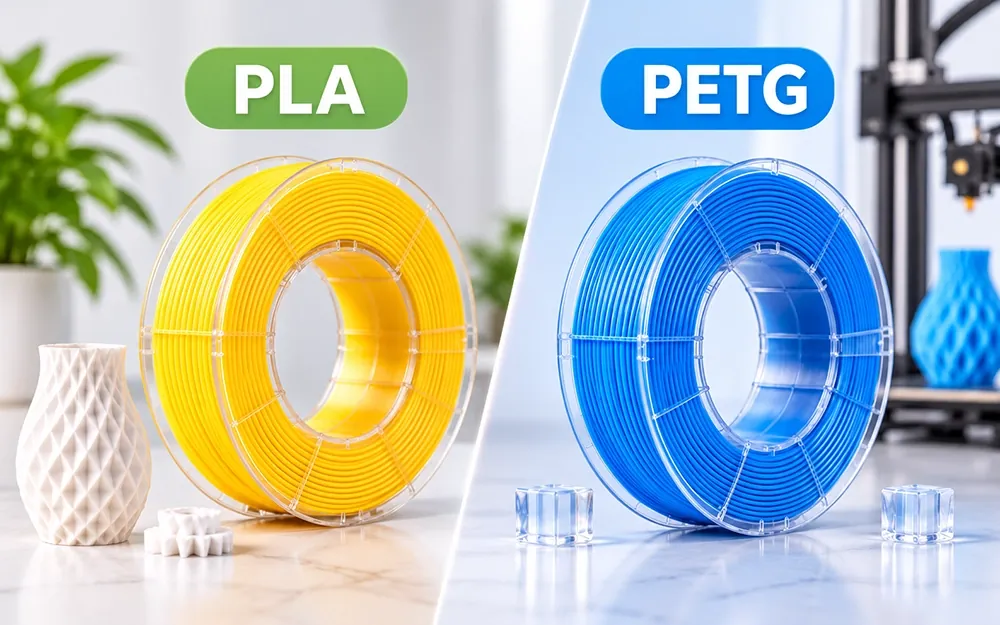
Compare PLA and PETG for strength, heat resistance, printability, finish, and cost. Use a clear selection rule for models, parts, and clear jobs.
Read guide
Material Guides
Compare PLA, PETG, ABS, ASA, TPU, nylon, and specialty filaments by strength, heat, flexibility, finish, and printer requirements.
Read guide
Safety
A food-safe filament does not guarantee a food-safe printed part. Learn what to verify about the material, finished part, cleaning, and documentation.
Read guide
Comparisons
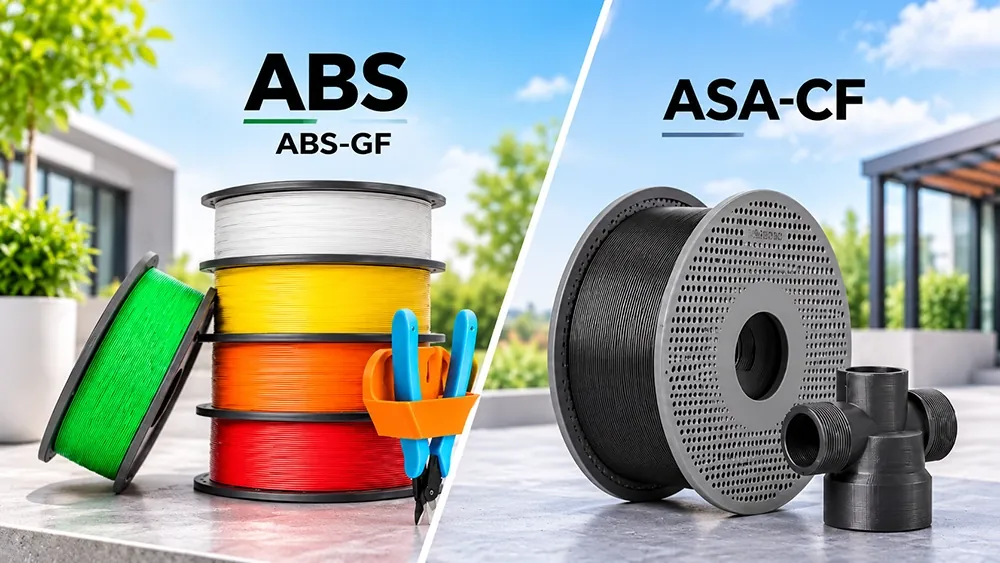
Compare ASA and ABS for UV and weather exposure, heat, impact, fumes, printability, and indoor versus outdoor parts.
Read guide
Printing Settings
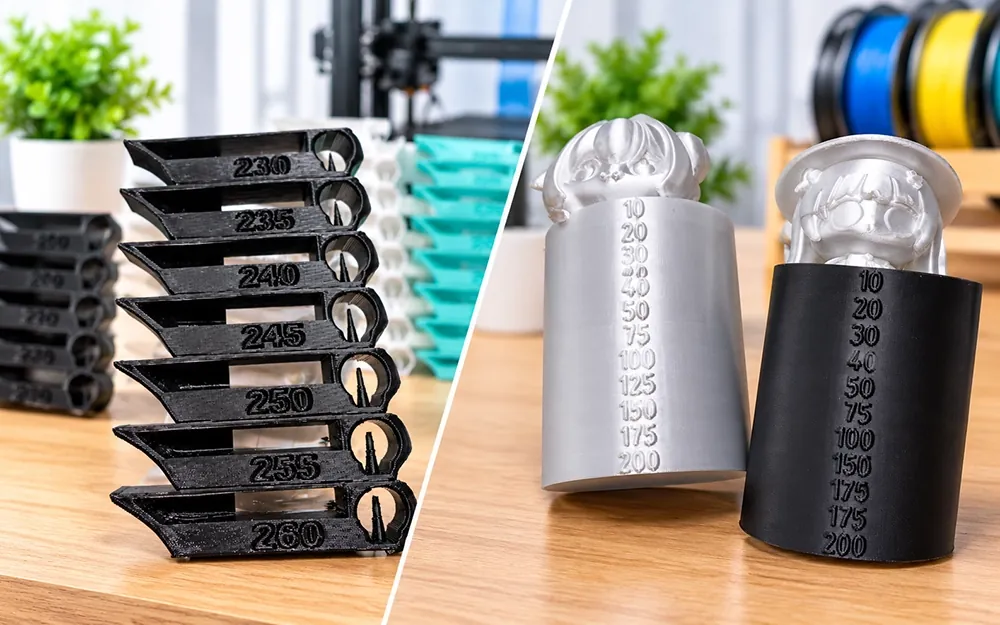
Find a practical PETG nozzle and bed temperature range, plus settings for cooling, speed, first layers, and stringing.
Read guide
Buying Guides
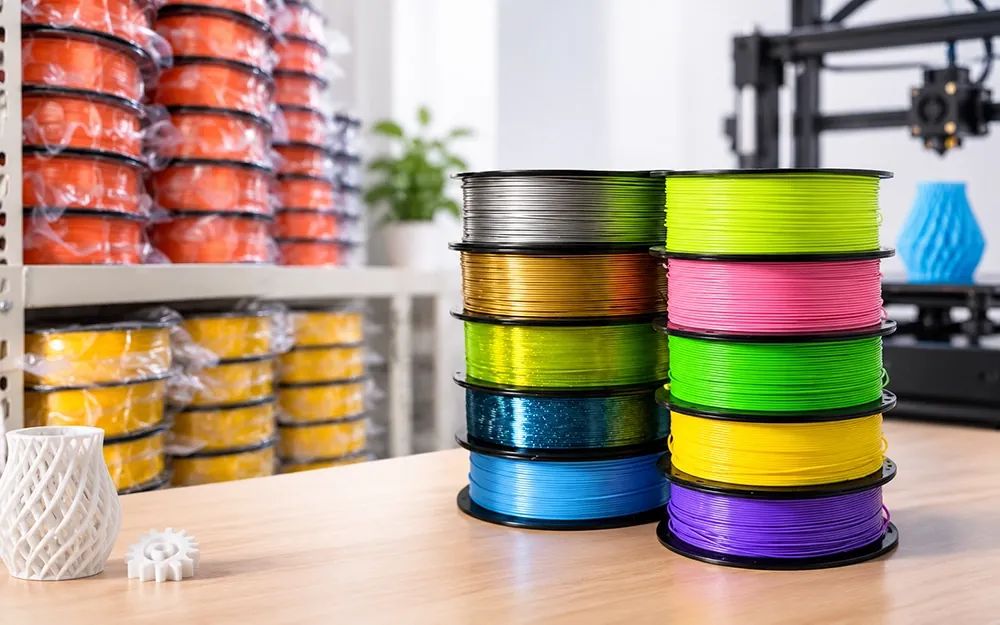
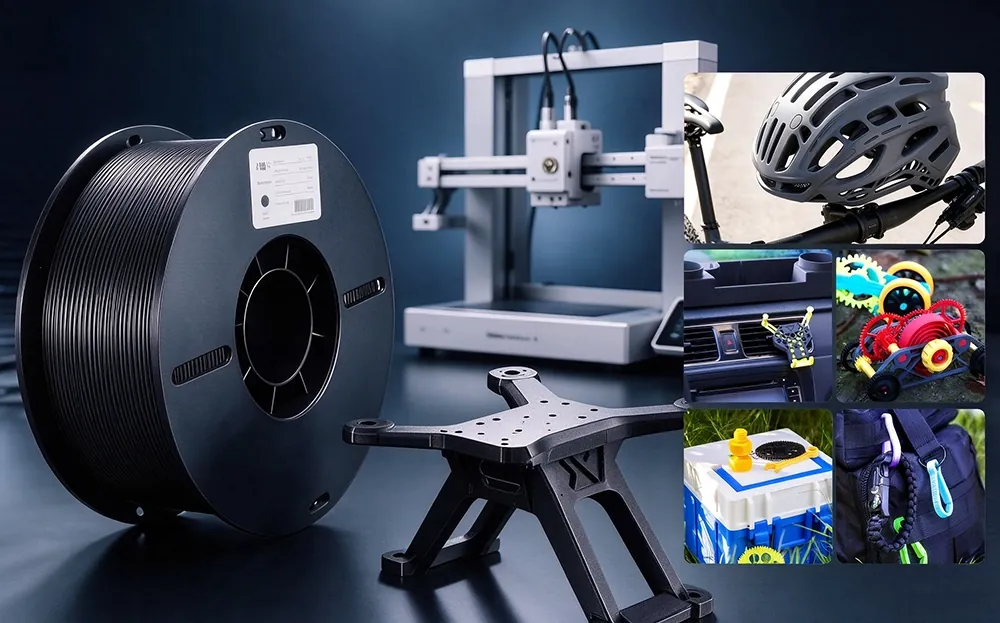
Choose 3D printer filament by application, printer limits, heat, strength, finish, and spool consistency instead of a generic brand ranking.
Read guide
Material Guides
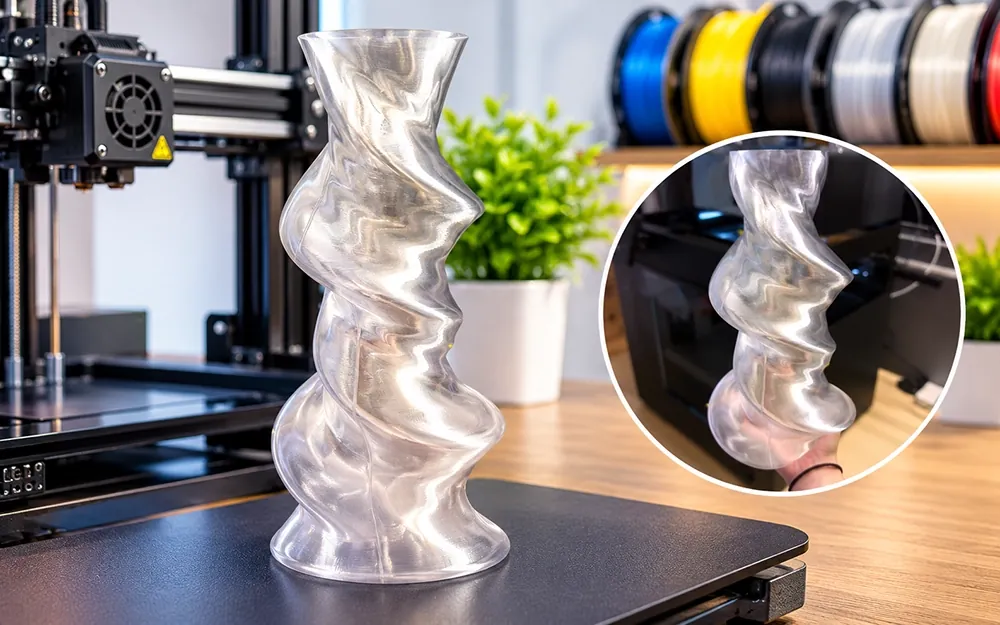
Yes, you can 3D print clear plastic, but FDM parts are usually translucent. Learn materials, settings, geometry, and finishing methods that improve clarity.
Read guide
Material Guides
Learn what TPU filament is, how Shore hardness affects flexibility, which parts it suits, and how to print flexible filament reliably.
Read guide
Storage and Maintenance
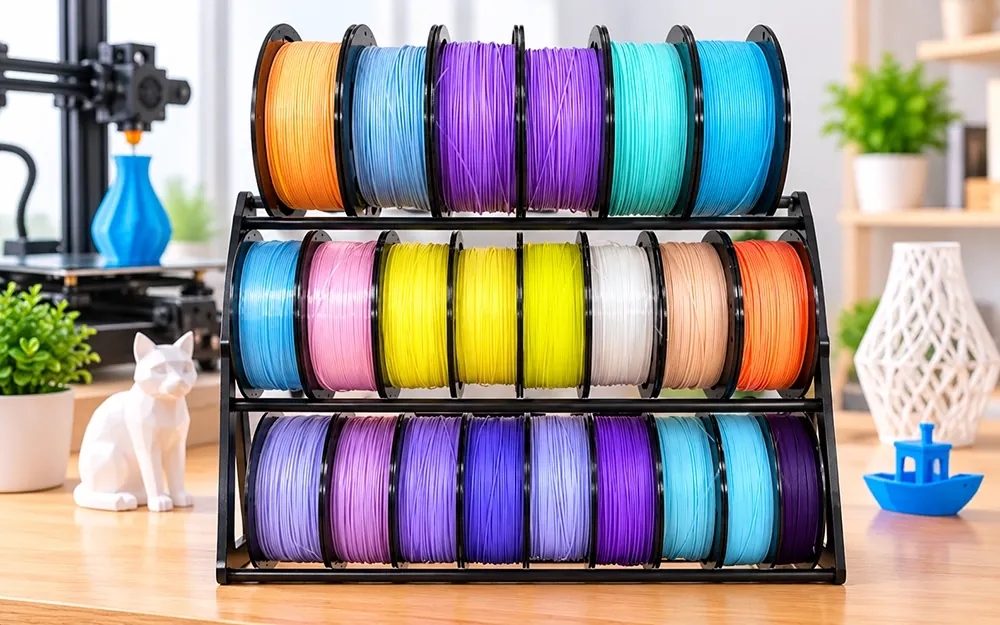
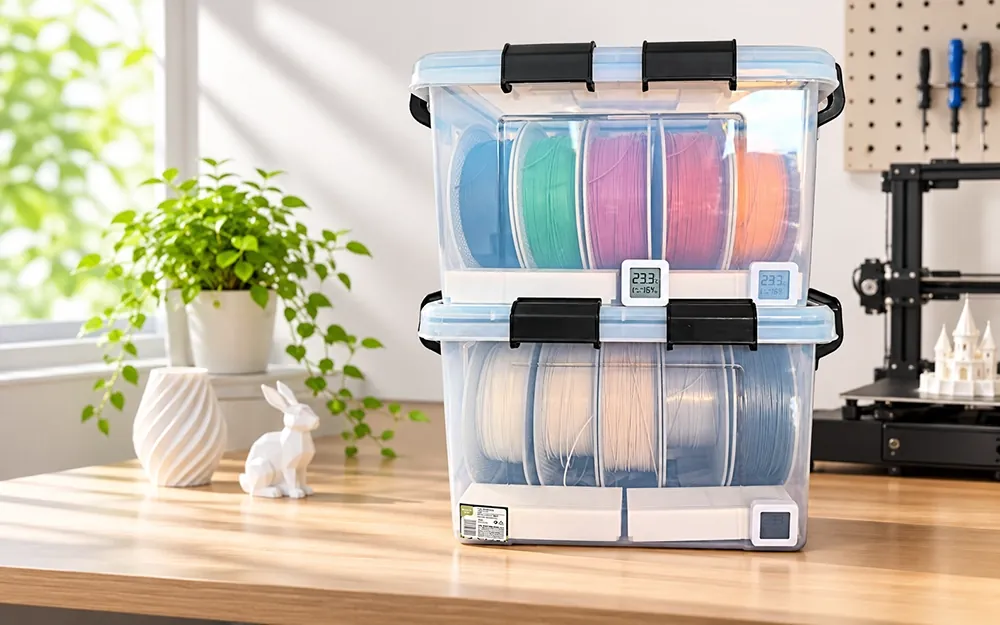
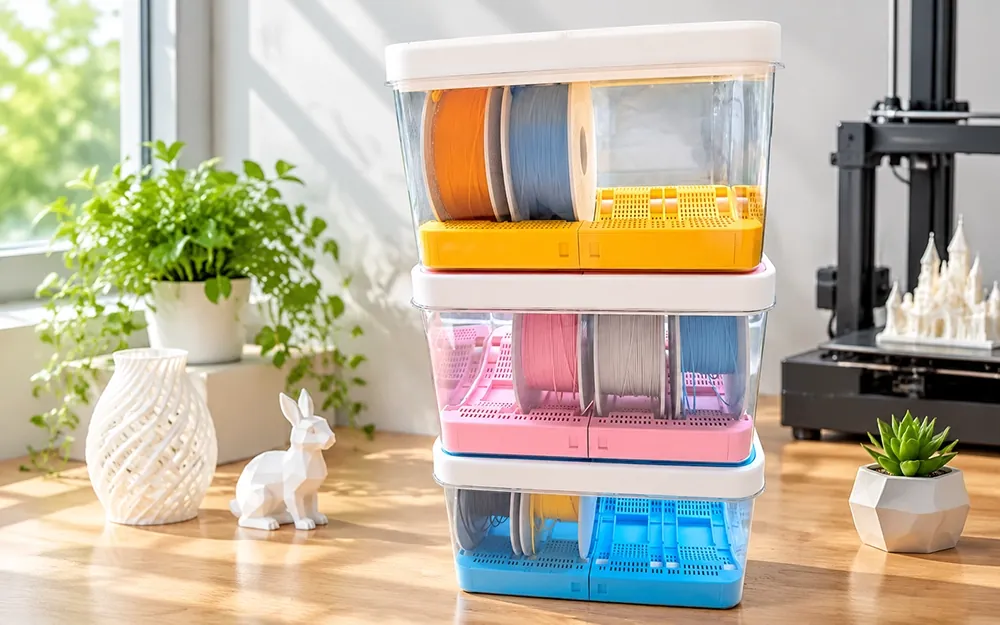
Learn how to store 3D printer filament with desiccant, low humidity, sealed containers, and sensible handling to prevent wet-print defects.
Read guide
Specifications
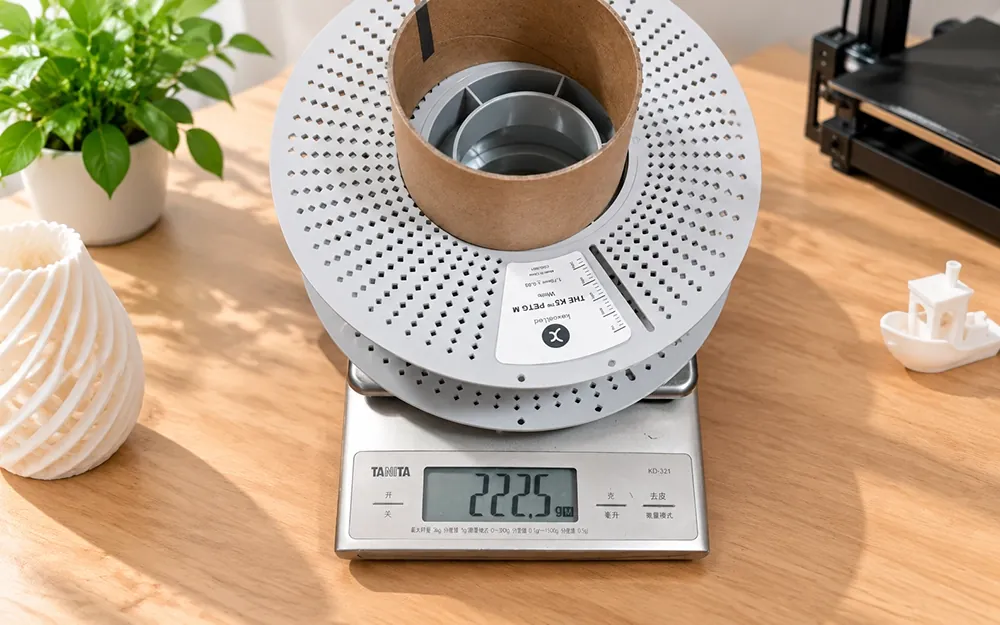
A 1kg spool contains 1000g of net filament. Learn how spool weight converts to meters and how to estimate how much a print uses.
Read guide
Printing Settings
Use a practical PLA nozzle and bed temperature range, then tune first layers, cooling, speed, and flow for cleaner, stronger prints.
Read guide
Material Guides
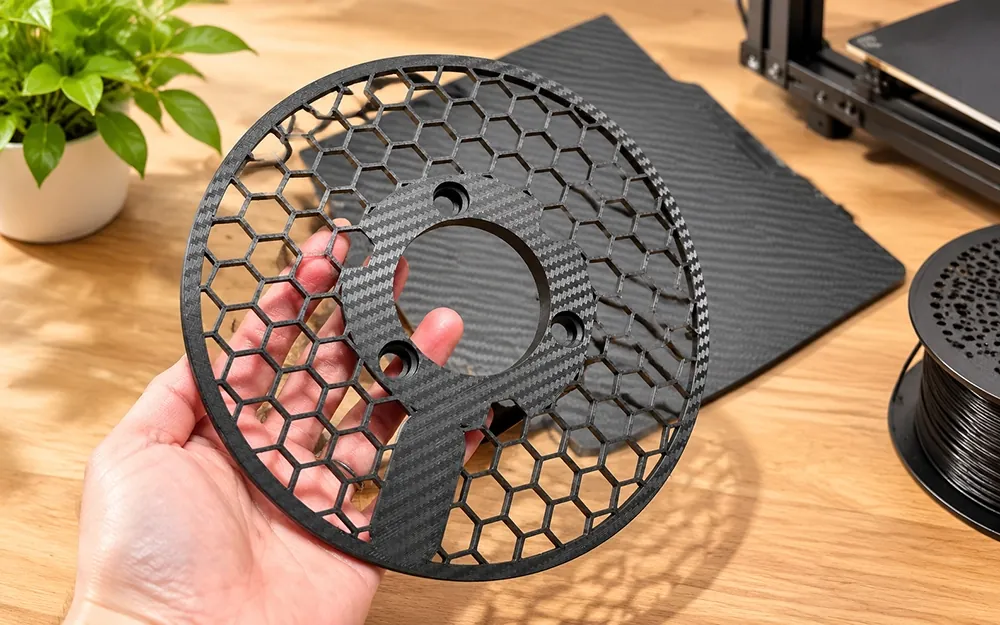
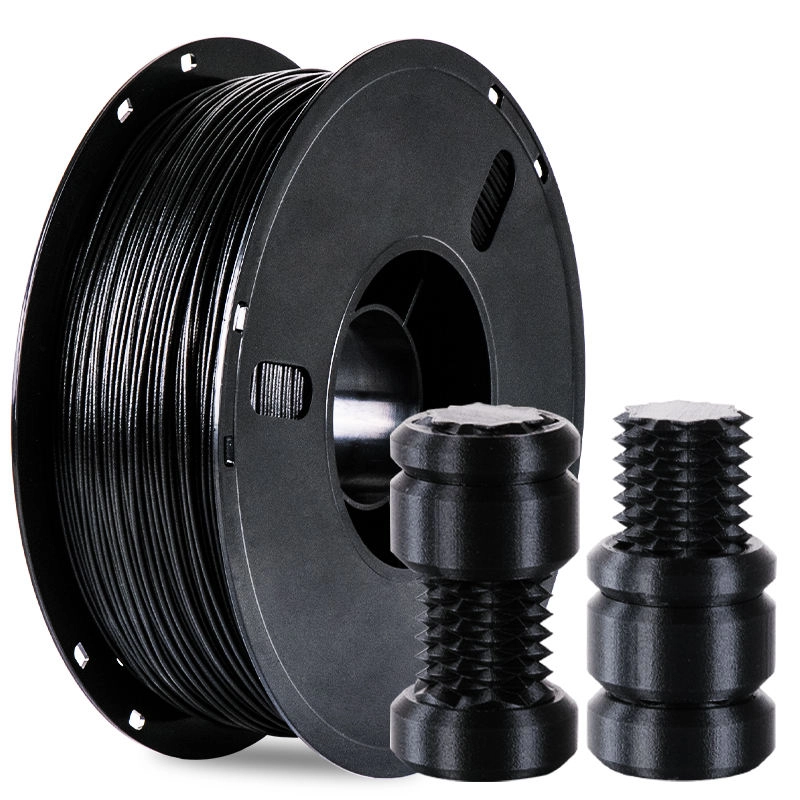
Learn how carbon fiber filament affects stiffness, strength, nozzle wear, print settings, and part design; compare PLA-CF, PETG-CF, and nylon-CF.
Read guide
Storage and Maintenance
Dry PLA, PETG, and TPU with a controlled filament dryer. Learn safe starting ranges, oven risks, signs of moisture, and storage steps.
Read guide
Material Guides
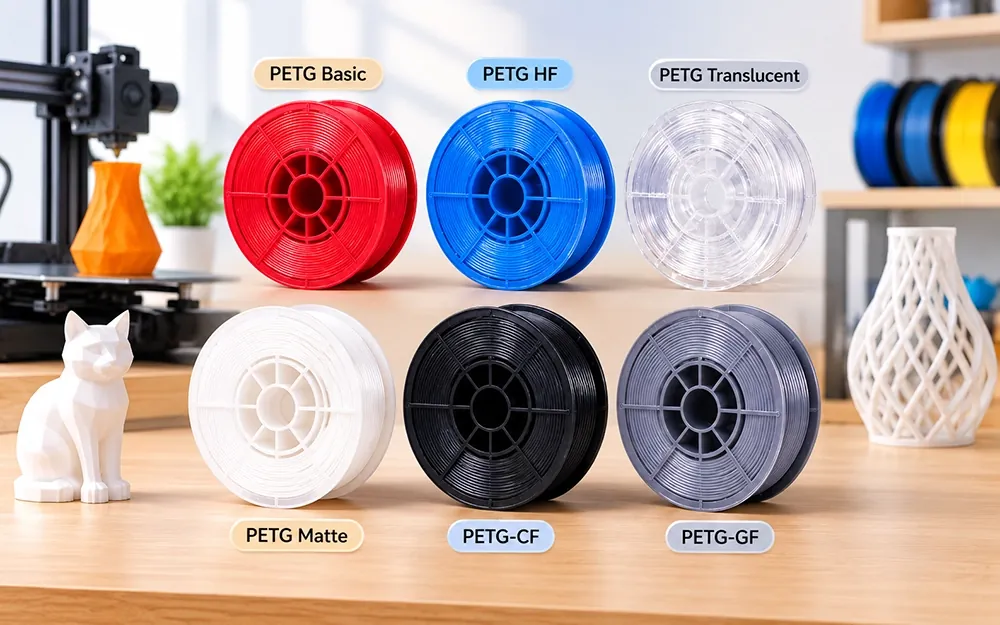
Learn what PETG filament is, how it prints, where it works best, and which toughness, clarity, and heat tradeoffs affect material selection.
Read guide
Buying Guides
See what drives 3D printer filament cost, including material, spool weight, color, quality control, packaging, and wholesale quantity.
Read guide
Material Guides
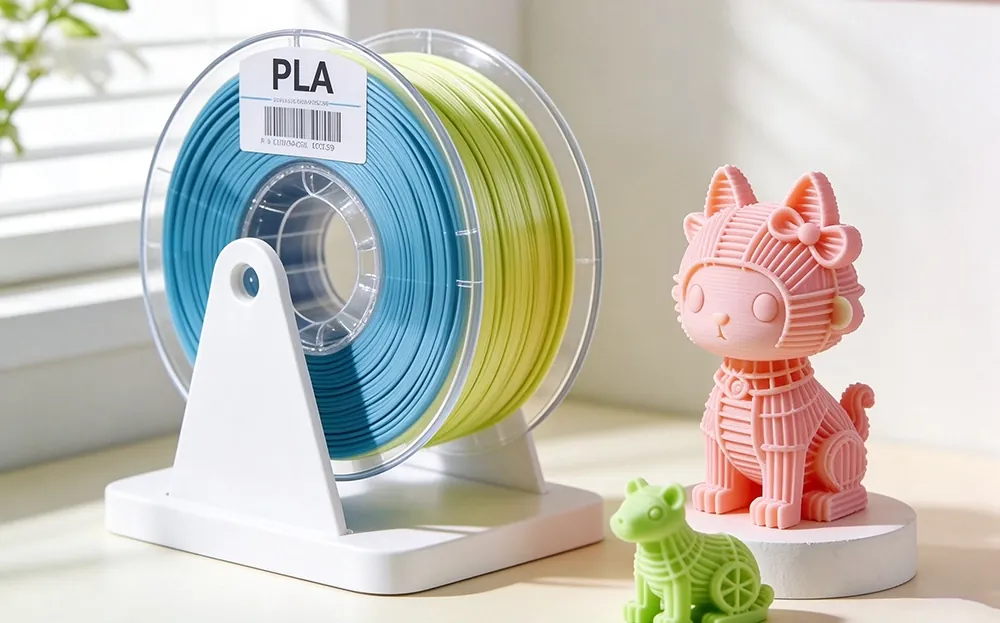
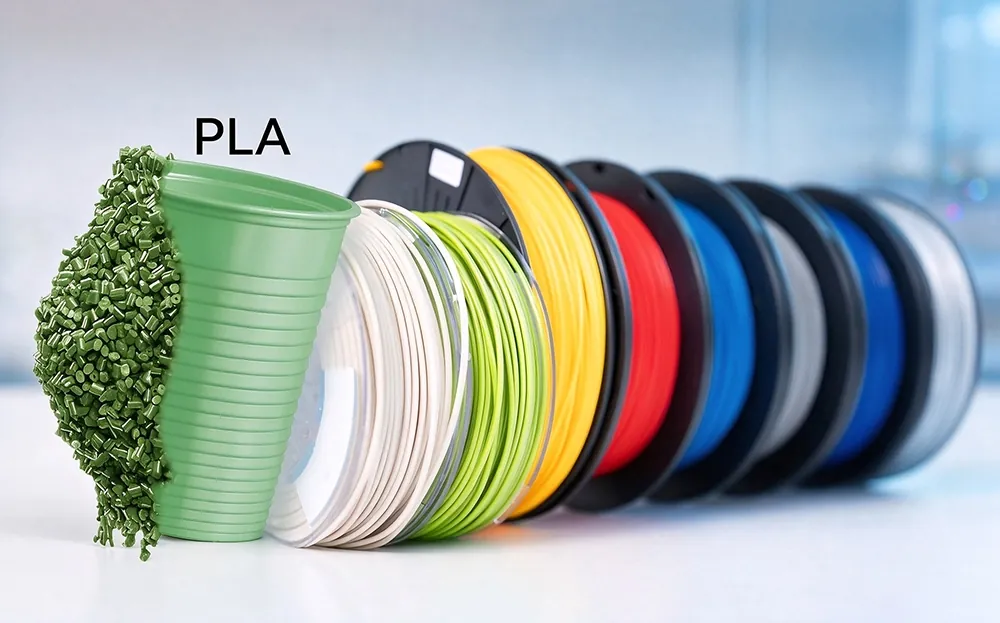
Learn what PLA filament is made from, where it performs well, its heat and strength limits, and how to choose the right PLA type.
Read guide
Material Guides
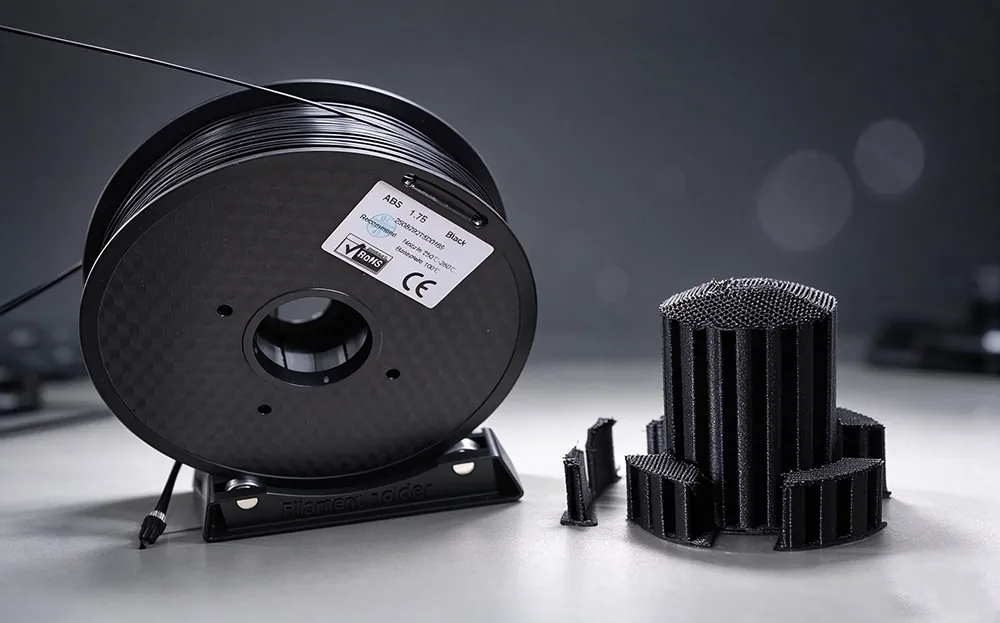
Learn what ABS filament is, where its impact and heat resistance help, and which enclosure, adhesion, and ventilation requirements matter.
Read guide
Material Guides
Learn what ASA filament is, how it resists UV and weather better than ABS, and which printer setup and part-design details matter.
Read guide
Material Guides
Choose outdoor 3D printer filament by UV exposure, heat, moisture, impact, color, and expected service life instead of UV labels alone.
Read guide
Material Guides
Compare heat-resistant 3D printer filament by continuous service temperature, load, time, printer capability, and real part testing.
Read guide
Sustainability
Learn how 3D printer filament can be sorted, shredded, extruded, and reused, plus the limits that affect quality and collection.
Read guide
Printing Settings
Find a practical TPU nozzle and bed range, then tune speed, retraction, flow, and feeding for flexible filament.
Read guide
Printing Settings
Set a practical ABS nozzle and bed range, control warping, and use a repeatable test process without copying another printer's profile.
Read guide
Storage and Maintenance
Learn how storage, moisture, material type, heat, and packaging affect how long 3D printer filament remains usable.
Read guide
Material Guides
Learn why PEEK filament costs more, what printer capability it requires, and which high-temperature applications justify the material.
Read guide
Material Guides
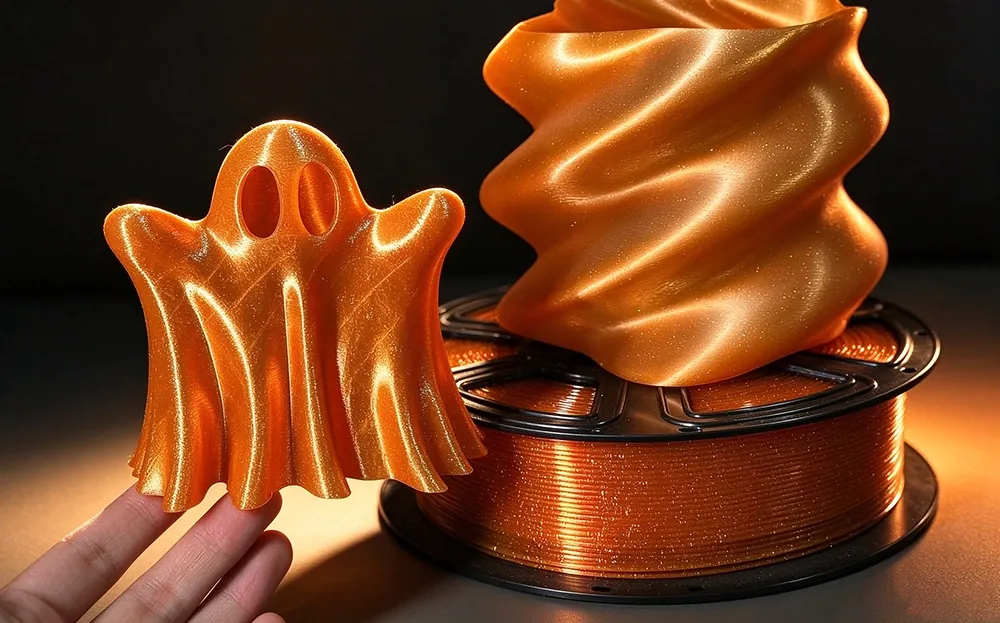
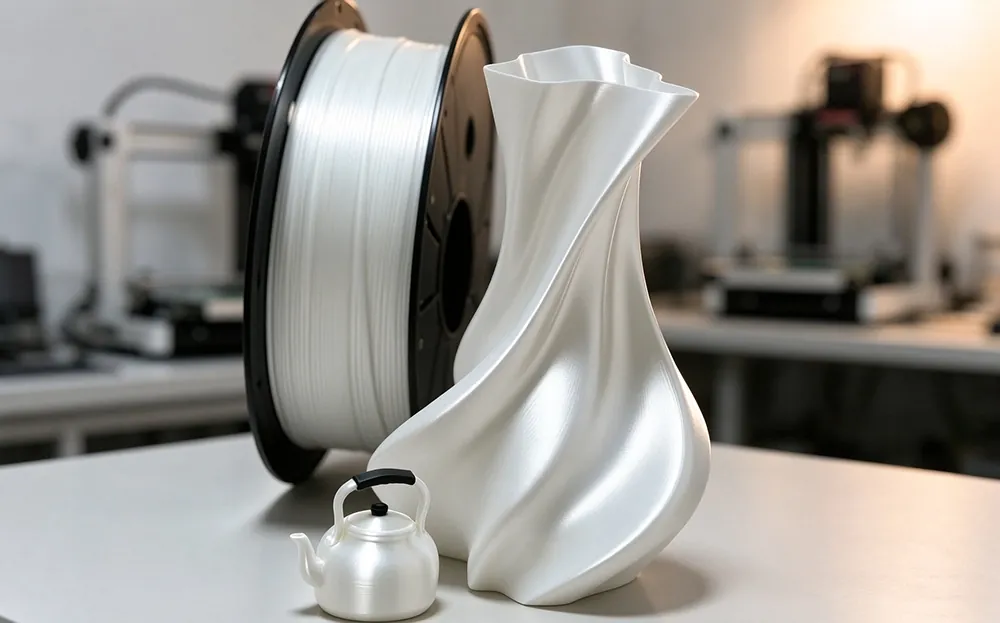
Learn why silk PLA looks glossy, which models benefit from the finish, and how temperature and speed affect shine and layer bonding.
Read guide
B2B Guides
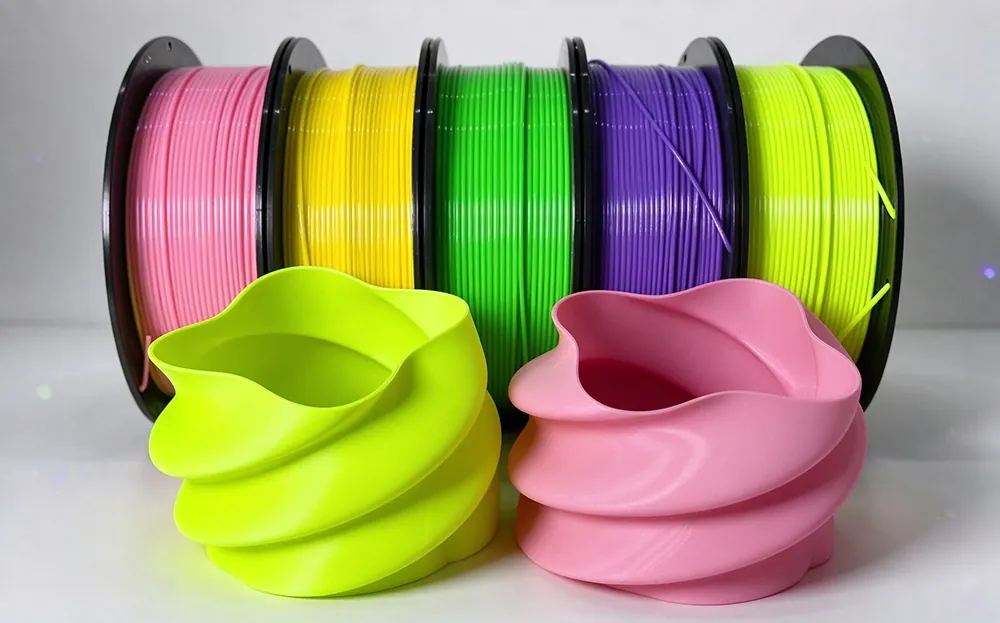
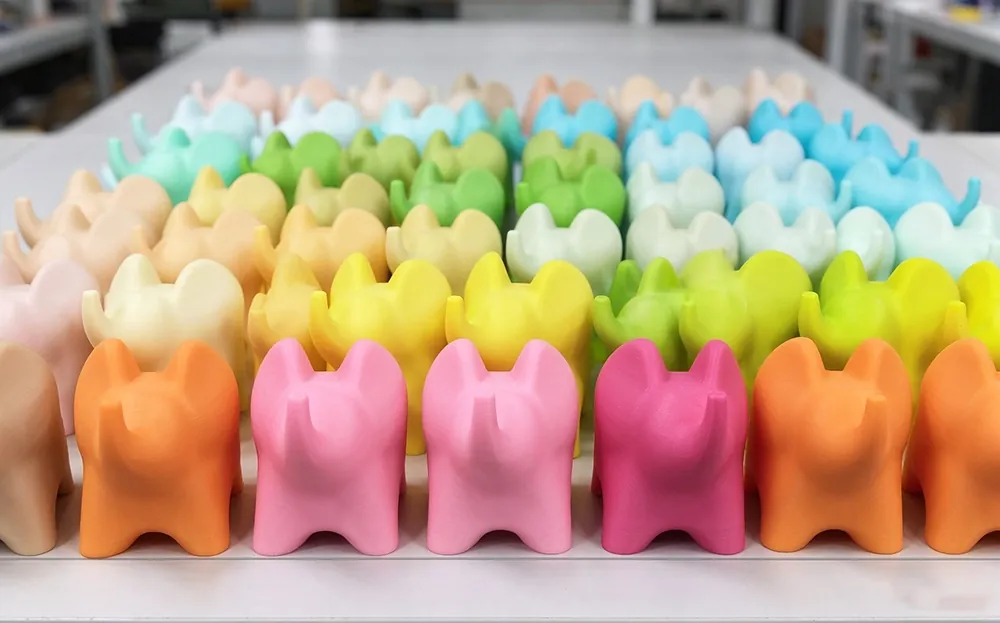
Plan a custom color filament project around a physical color target, material, sample approval, lighting, production tolerance, and packaging.
Read guide
Comparisons
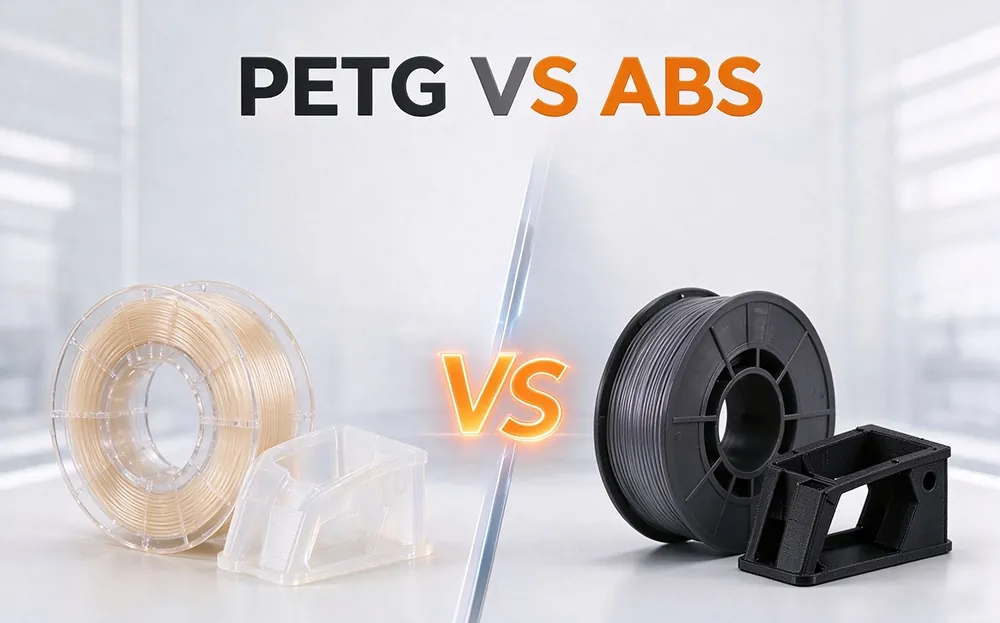
Compare PETG and ABS for printability, heat, impact, fumes, transparency, cost, and the applications each material serves.
Read guide
Comparisons
Compare filament strength by stiffness, impact, layer adhesion, heat, and part design instead of looking for one universal winner.
Read guide
Engineering Guides
Learn why layer direction, wall design, temperature, moisture, and material choice control the strength of a 3D printed plastic part.
Read guide
Troubleshooting
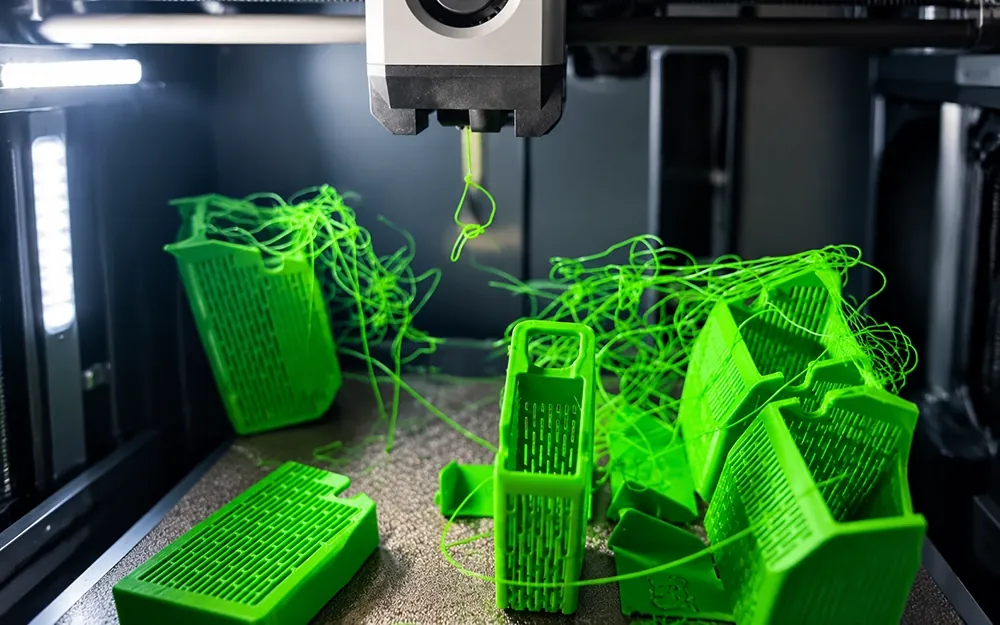
Fix filament stringing by checking moisture, temperature, retraction, travel, and nozzle condition instead of changing every setting at once.
Read guide
Safety and Sustainability
Understand how PLA breaks down, why industrial composting matters, and why ordinary disposal does not make a 3D print disappear quickly.
Read guide
Printer Operations
Change 3D printer filament safely by heating the nozzle, unloading the old spool, loading the new material, and confirming clean extrusion.
Read guide
Buying Guides
Compare standard, high-speed, matte, silk, wood, glow, and carbon-fiber PLA using PIBUNO print data and practical application checks.
Read guide
Material Guides
Review polycarbonate filament strength, heat resistance, 250–280°C nozzle settings, 100–120°C bed range, drying, and application checks.
Read guide