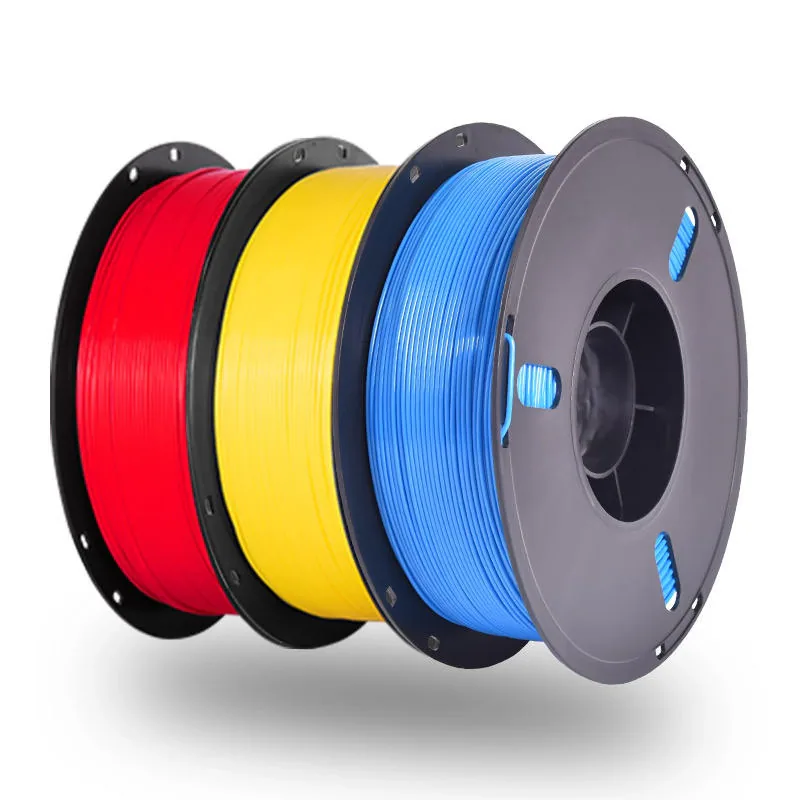
PETG Filament for Tough, Heat-Resistant and High-Speed 3D Printing
PIBUNO supplies 1.75 ±0.02 mm PETG for functional models, end-use parts and visible prototypes. The material supports both a conventional print profile and a higher-output profile for printers configured for faster PETG production.
Normal and high-speed profiles Plastic, paper or transparent reel Custom reel and packaging review
1.75 ±0.02 mm
011.75 ±0.02 mm
Controlled production diameter
0270°C heat distortion
Heat-resistance reference
0340–60 mm/s
Conventional print profile
04150–200 mm/s
High-speed printer profile
Technical data
PETG properties for print and purchasing review.
Use the relevant print mode and confirm the complete printer profile before evaluating strength, surface finish and production output.
Material properties
Material
PETG
Diameter
1.75 ±0.02 mm
Density
1.27 g/cm³
Reference layer height*
0.2 mm
Heat-distortion temperature
70°C
Elongation at break
10%
Flexural modulus
2,060–2,160 MPa
Heat-bed temperature
60–80°C
Printing and spool dimensions
Normal-printer nozzle range
220–250°C
Normal-printer speed
40–60 mm/s
High-speed nozzle range
240–250°C
High-speed print speed
150–200 mm/s
Spool outside diameter
200 mm
Spool total width
Approx. 67 mm
Winding-section width
Approx. 60 mm
Center-hole diameter
53 mm
*Layer height: the source material labels this value as “Height 0.2 mm”; PIBUNO presents it as a recommended starting layer height, subject to confirmation for the selected printer and application.
Speed units: the source material lists speed as 40–60 mm and 150–200 mm. These are presented as mm/s according to conventional printer-parameter notation; confirm the approved profile with the printer specification.
Two print profiles
Choose the mode that matches the printer and production goal.
Both modes use a 60–80°C heat bed. Do not switch to the high-speed profile unless the hotend, cooling, flow and mechanical setup are prepared for it.
01
Conventional PETG
Normal-speed printing
Nozzle
220–250°C
Print speed
40–60 mm/s
Heat bed
60–80°C
Use this range as the starting profile for standard PETG printing and qualification.
02
High-output PETG
High-speed printing
Nozzle
240–250°C
Print speed
150–200 mm/s
Heat bed
60–80°C
Use only on equipment whose hotend, extruder and cooling system support the higher output.
Why choose PETG
Balanced material behavior for functional printing.
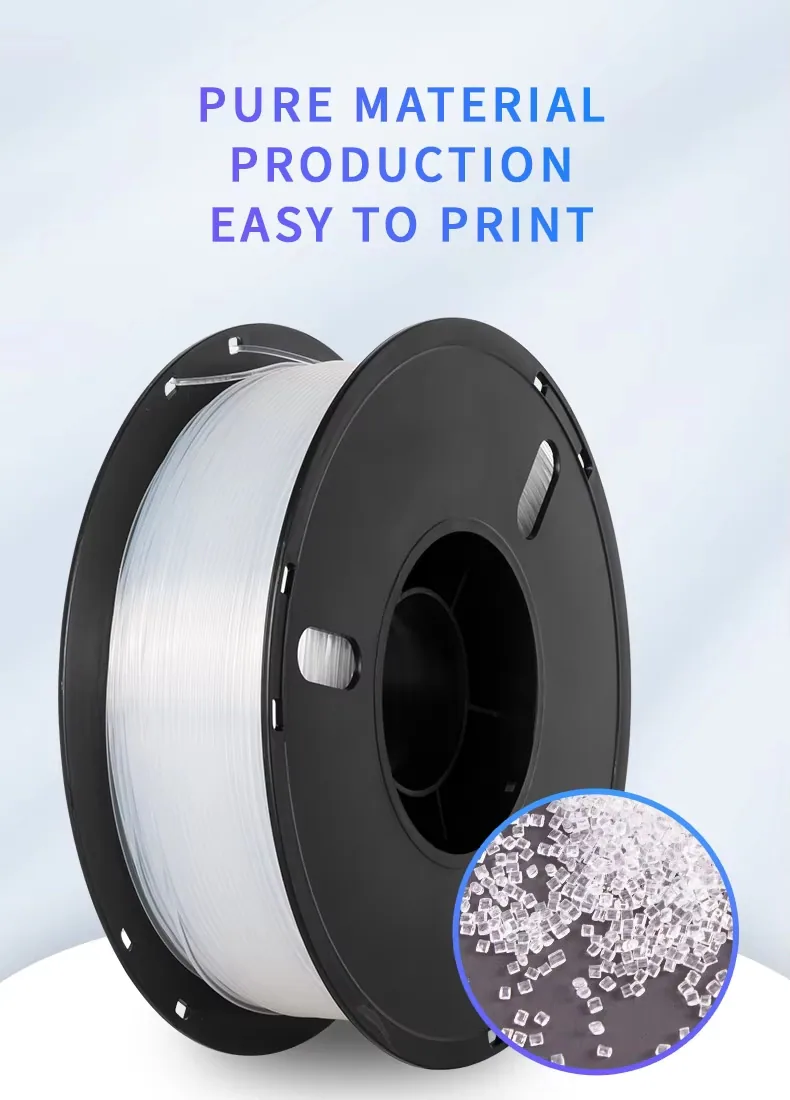
Produced with a pure-material PETG formulation.
Easy printing behavior with a practical standard and high-speed profile.
Diameter controlled to 1.75 ±0.02 mm for consistent feeding.
Balanced toughness, heat resistance and dimensional stability.
70°C heat-distortion temperature for suitable functional parts.
10% elongation at break and 2,060–2,160 MPa flexural modulus.
Suitable for functional models, end-use components and clear visual prototypes.
PETG bridges everyday printable models and functional parts that benefit from improved toughness, heat resistance and dimensional stability compared with standard PLA.
Color range
PETG color options from the supplied product materials.
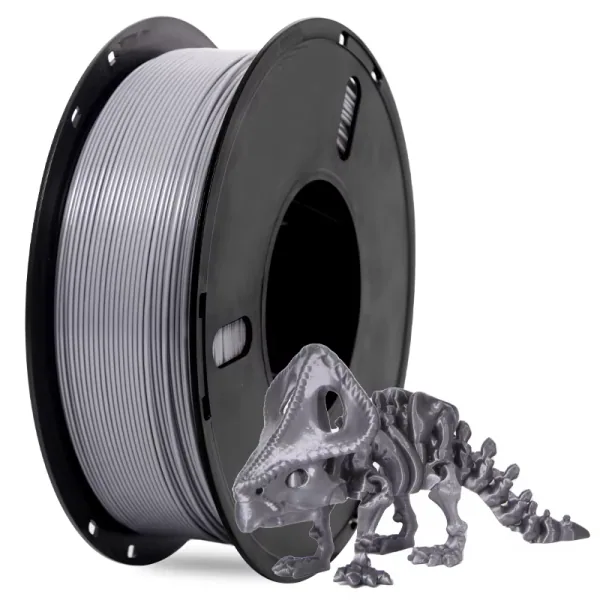
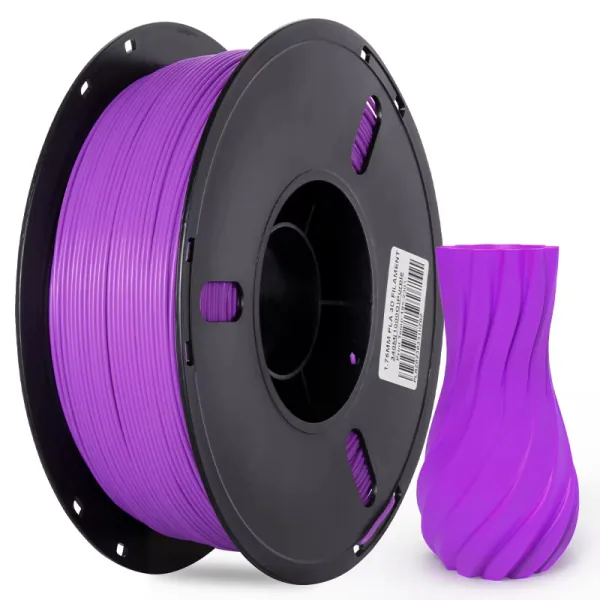
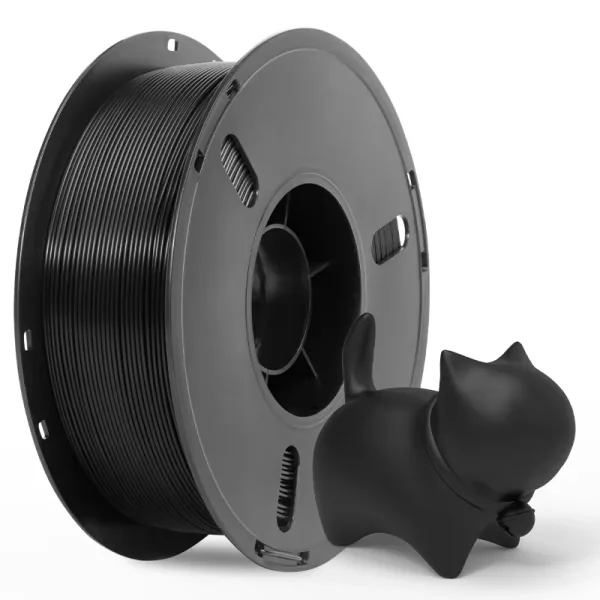
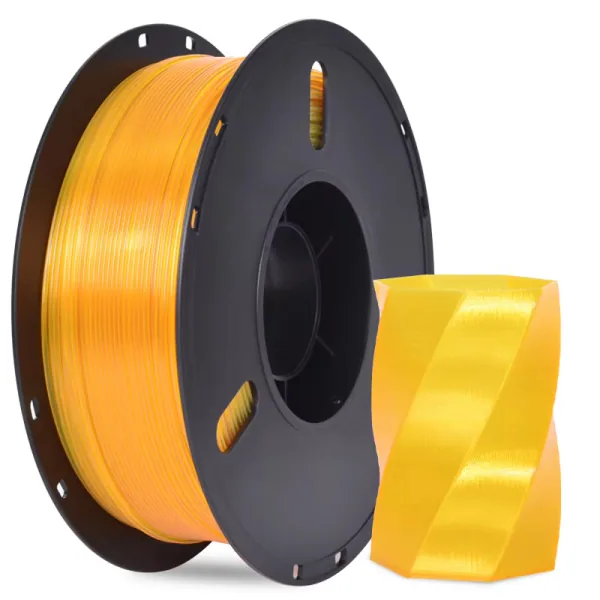
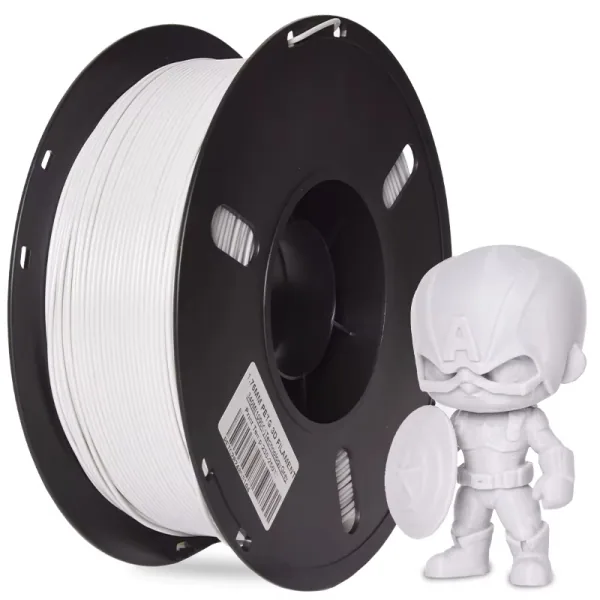
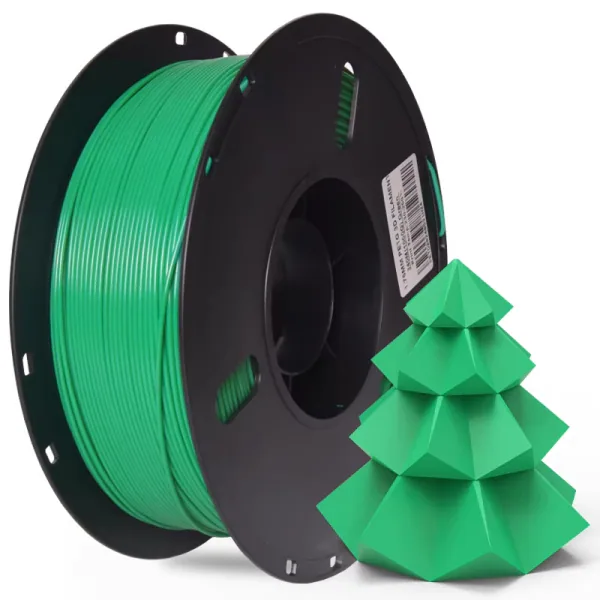
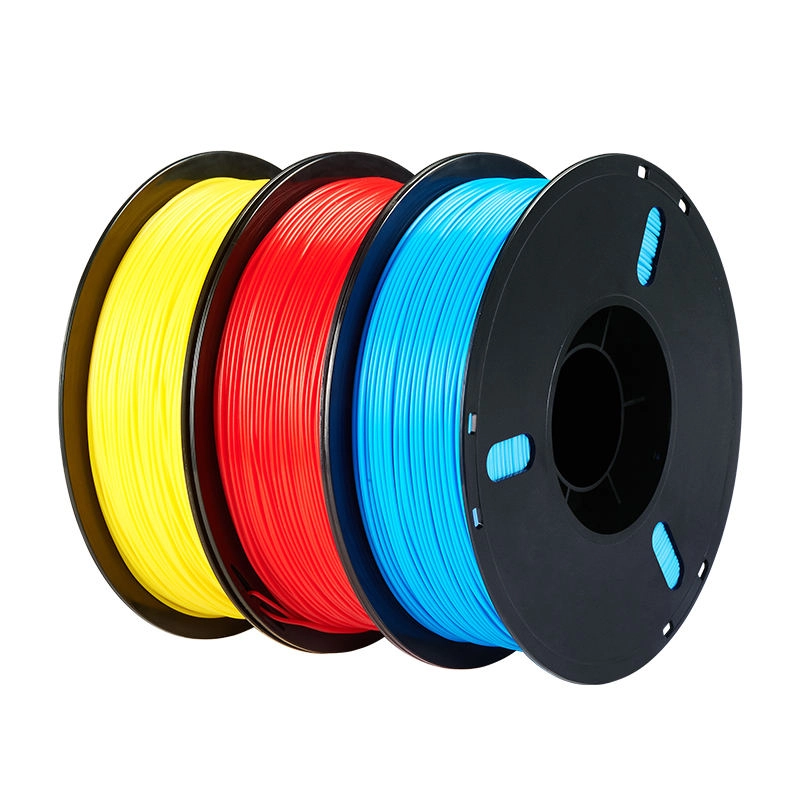
27 individual color images from the PETG Color/Web library are shown below. Current stock and project-specific color matching should be confirmed before order approval.
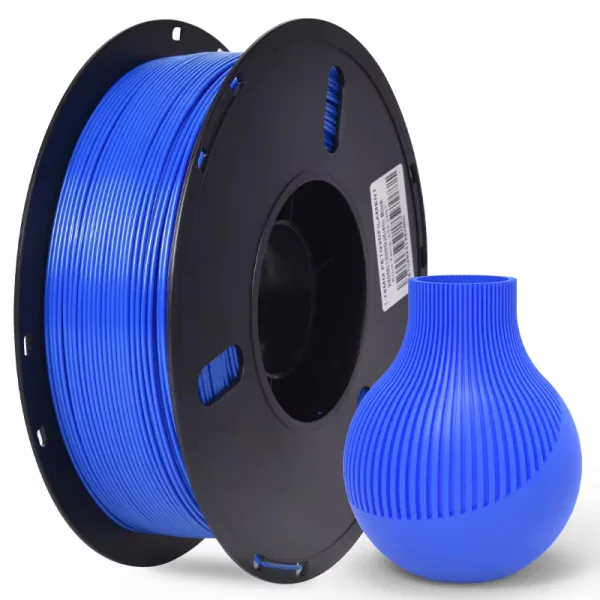
01
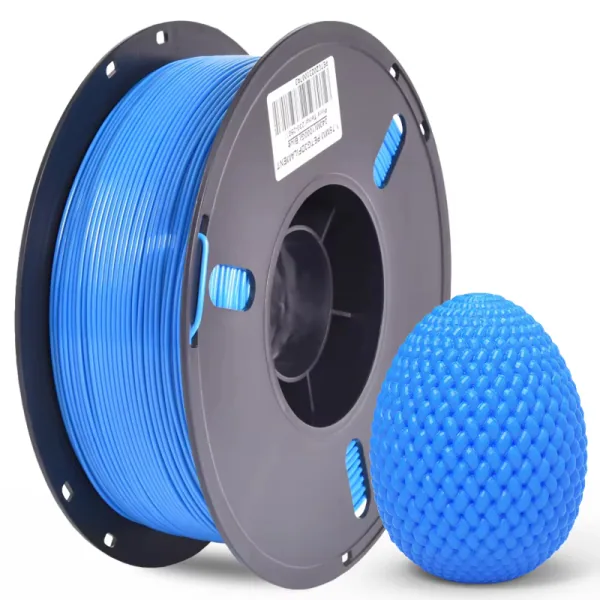
Blue
02
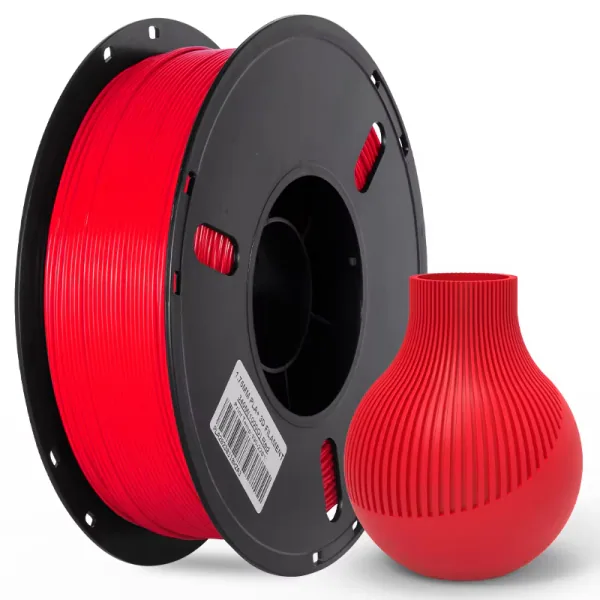
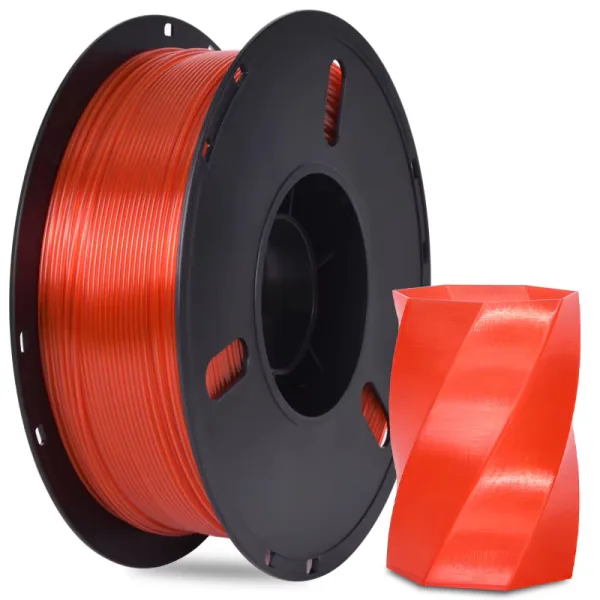
Red
03
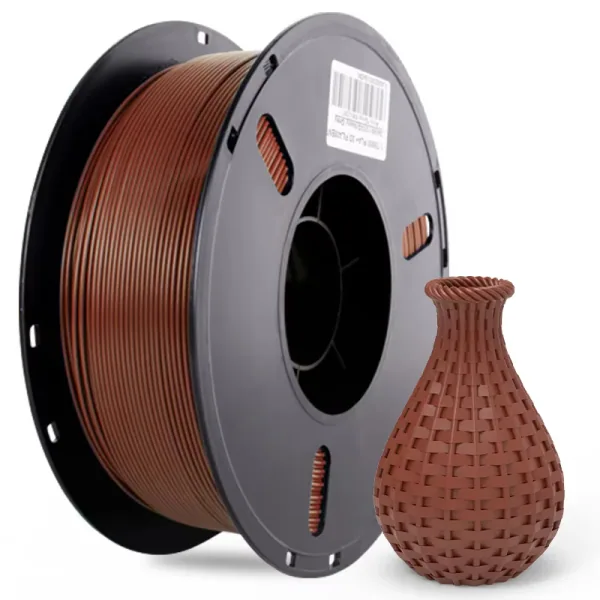
Coffee
04
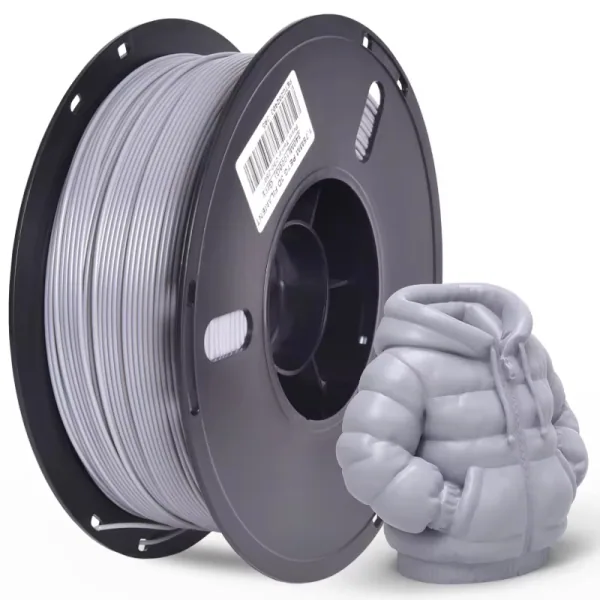
Silver
05
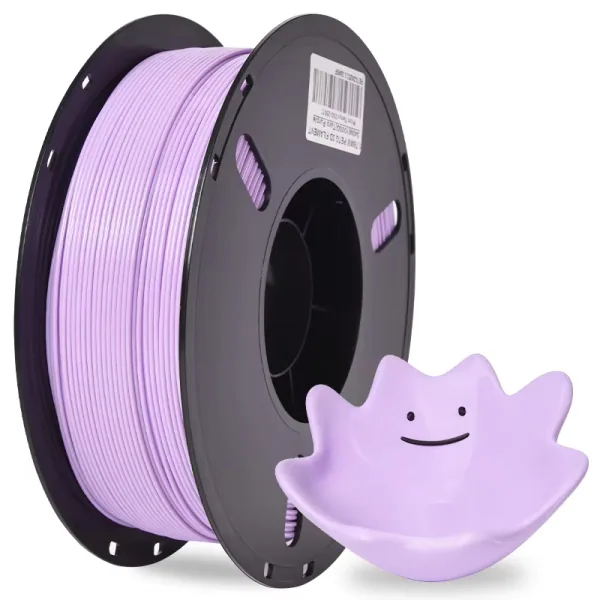
Purple
06
Black
07
Transparent Yellow
08
Transparent Color
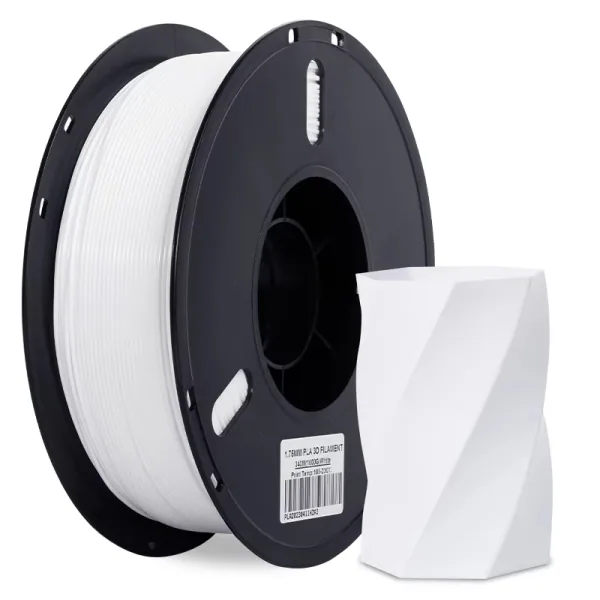
09
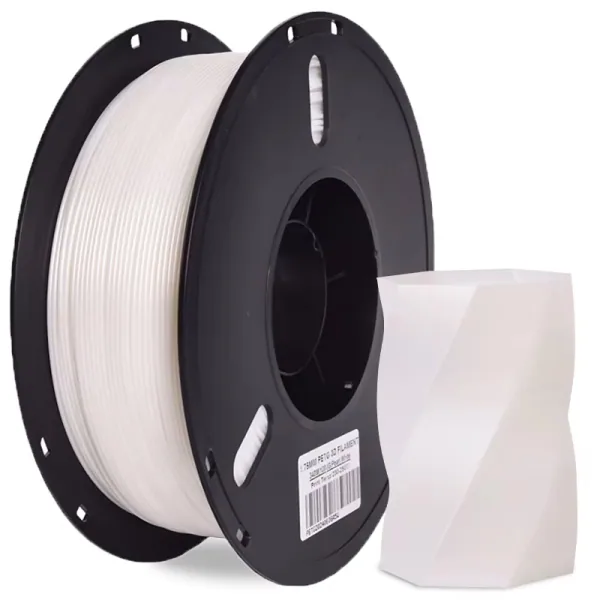
White
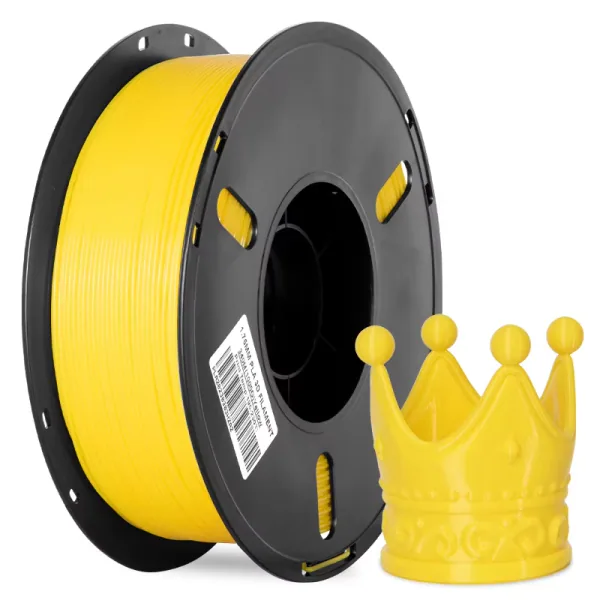
10
Yellow
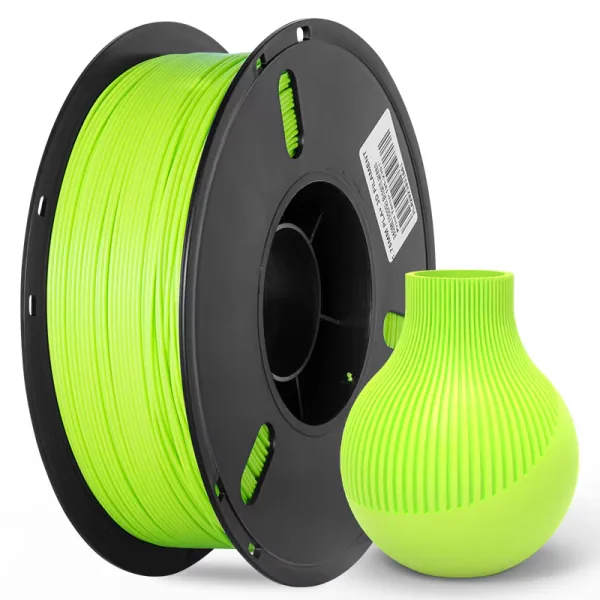
11
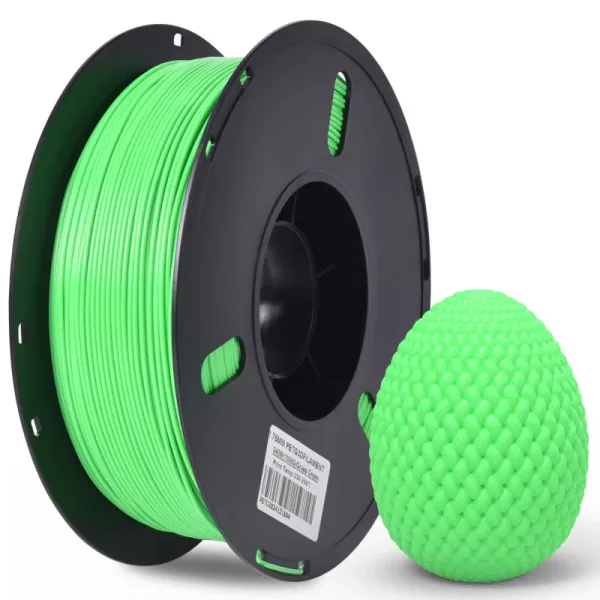
Bright Green
12
Klein Blue
13
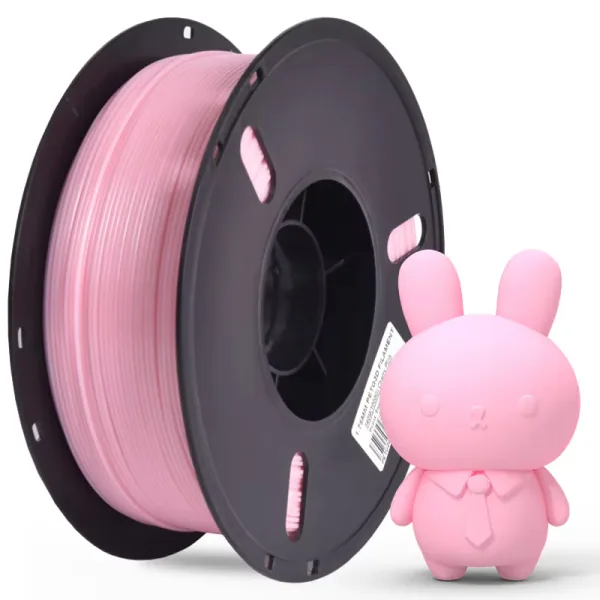
Cherry Pink
14
Forest Green
15
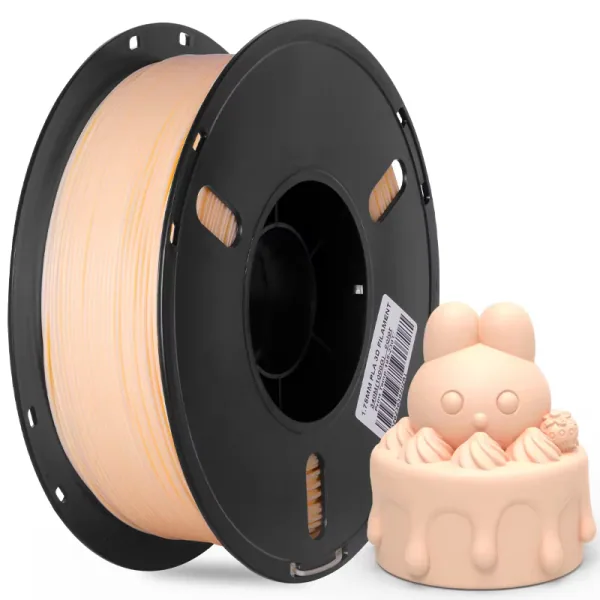
Skin
16
Grass Green
17
Strawberry Red
18
Transparent Red
19
Grey
20
Taro Purple
21
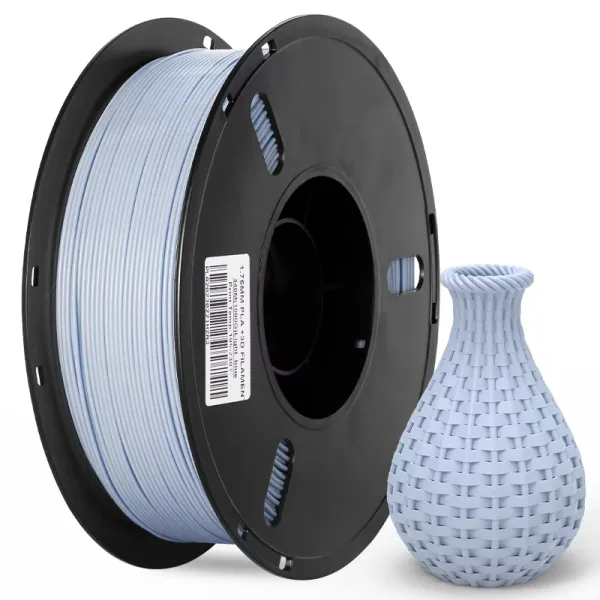
Haze Blue
22
Pearl White
23
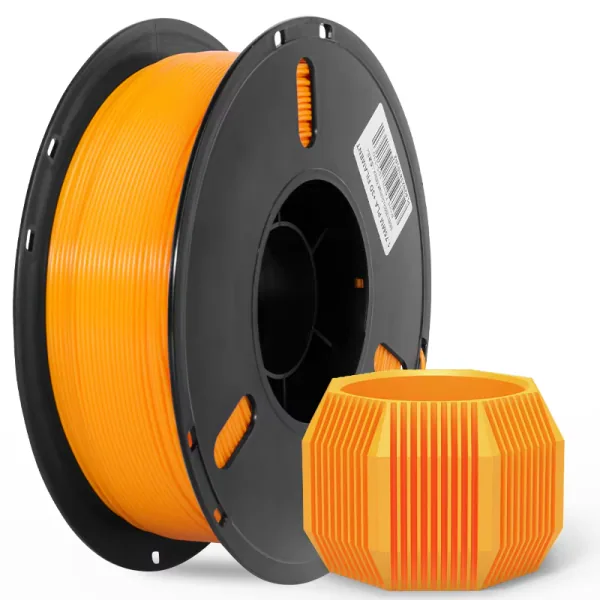
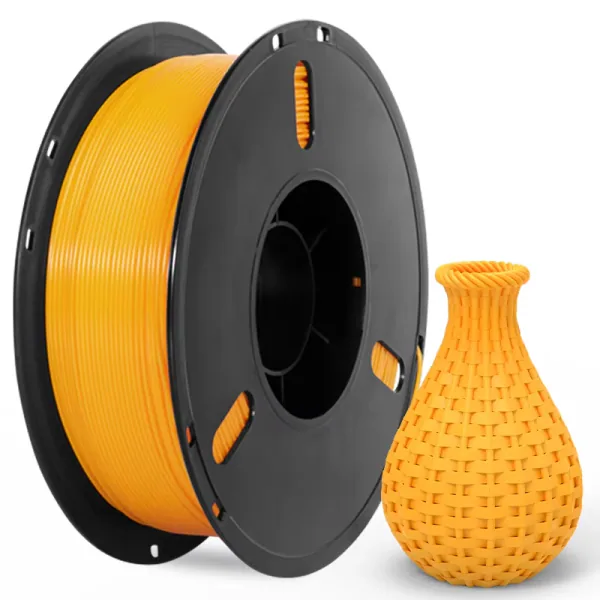
Orange-Yellow
24
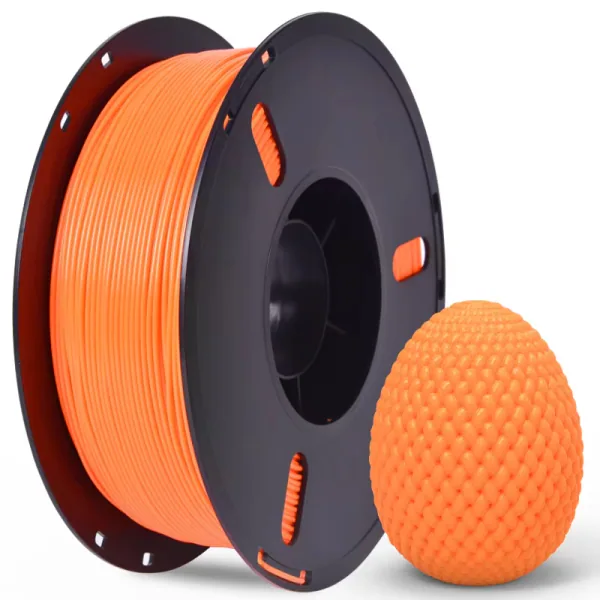
Vibrant Orange
25
Egg Yellow
26
Tech Gray
27
Green
These color cards use the original WebP images from the PETG Color/Web library. Color appearance can vary with monitor settings, lighting, photography, material transparency and production batch. Confirm custom colors against a design reference or physical sample.
Customizable presentation
Three reel formats for product development.
Reel and packaging customization can be reviewed around the approved design draft. Custom MOQ, paper-reel grammage, packaging print requirements and sampling timing are confirmed with the final project scope.
Standard rigid plastic spool for repeat production.
02
Paper reel
Paper-based spool option for projects prioritizing reduced plastic use.
03
Transparent reel
Clear reel format for a more visible product presentation.
Applications
Where PETG makes practical sense.
PETG is suitable for functional prototypes, end-use parts and models that need a useful balance of toughness, heat resistance and dimensional stability. Final suitability depends on the exact load, temperature, environment and print profile.
Functional prototypesBrackets and housingsEnd-use partsTransparent visual modelsDisplay componentsProduct development
Validate the high-speed profile before scaling production
Achieving the listed speed depends on the complete printer system, not filament alone. Confirm hotend flow, cooling, acceleration, part geometry and layer bonding on the intended machine before approving a high-speed production run.
Spool and packaging
Standard dimensions and carton data.
Packaging data applies to the standard spool format. Confirm any project-specific reel or packaging configuration before shipment planning.
The supplied PETG product materials reference SGS, RoHS and MSDS documentation. Request the current originals and confirm that the test material and batch match the product being purchased.
Confirm report number, tested items, tested material and order-batch coverage.
MSDS
Safety data
Review the current material safety sheet against handling and storage requirements.
RoHS
Compliance mark
Verify the applicable material and batch before relying on the document for procurement.
A general technical mark does not establish that every PETG color or batch has been tested. Supply documentation should match the exact material ordered and remain subject to the issuing laboratory and supplier’s valid report terms.
Confirm the print profile, reel option and available technical documents before placing an order.
What is the difference between the two PETG print modes?
The normal profile uses 220–250°C and 40–60 mm/s. The high-speed profile uses 240–250°C and 150–200 mm/s. Both use a 60–80°C heat bed.
Can every printer use the 150–200 mm/s PETG profile?
No. The printer must support the higher temperature, flow, cooling and acceleration requirements. Validate the profile on the intended machine and part geometry.
Is 0.2 mm the confirmed layer height?
The source material labels the value as “Height 0.2 mm.” It is presented here as a reference starting layer height and should be confirmed against the selected printer profile.
Which reel formats are available?
Plastic, paper and transparent reel formats are supported for customization review. MOQ and timing depend on the final reel, packaging and design requirement.
Can I request a PETG color match or custom packaging?
Yes. Provide a design draft or physical color reference, the preferred reel type, packaging direction and expected quantity so the project can be reviewed.
Start with the print requirement
Need a standard or high-speed PETG program?
Send the printer model, target speed, part application, color, reel preference and packaging direction.