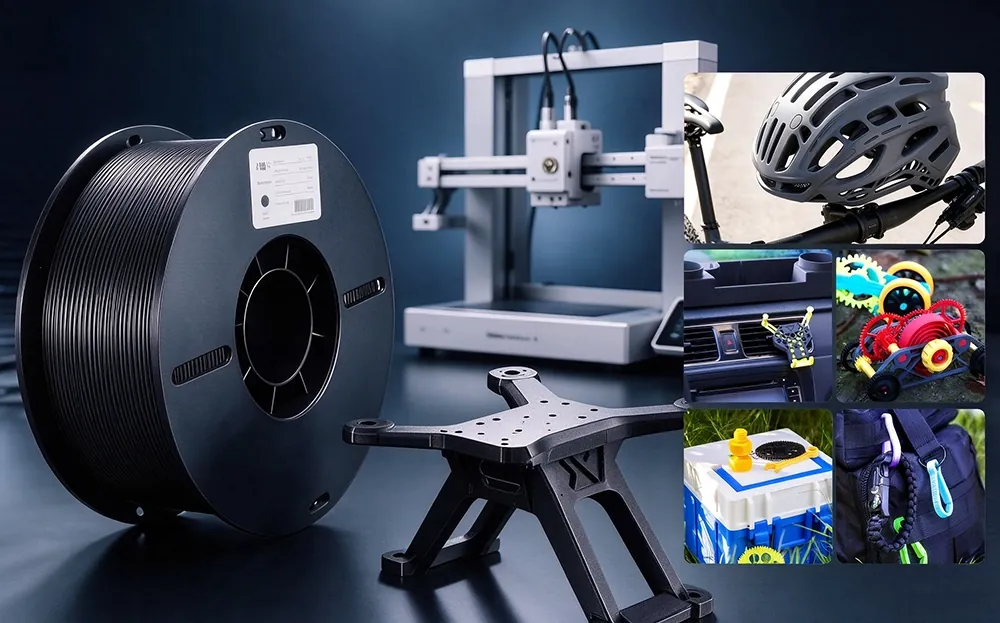

Polycarbonate Filament Guide: Strength, Heat, and Print Settings
Review polycarbonate filament strength, heat resistance, 250–280°C nozzle settings, 100–120°C bed range, drying, and application checks.
Read guideCompare materials, check print settings and learn what to look for before you choose a filament for a product, printer or repeat order.
Planning a filament project? Share the material, application and volume with the PIBUNO team.
Review polycarbonate filament strength, heat resistance, 250–280°C nozzle settings, 100–120°C bed range, drying, and application checks.
Read guideCompare standard, high-speed, matte, silk, wood, glow, and carbon-fiber PLA using PIBUNO print data and practical application checks.
Read guideChange 3D printer filament safely by heating the nozzle, unloading the old spool, loading the new material, and confirming clean extrusion.
Read guideUnderstand how PLA breaks down, why industrial composting matters, and why ordinary disposal does not make a 3D print disappear quickly.
Read guideFix filament stringing by checking moisture, temperature, retraction, travel, and nozzle condition instead of changing every setting at once.
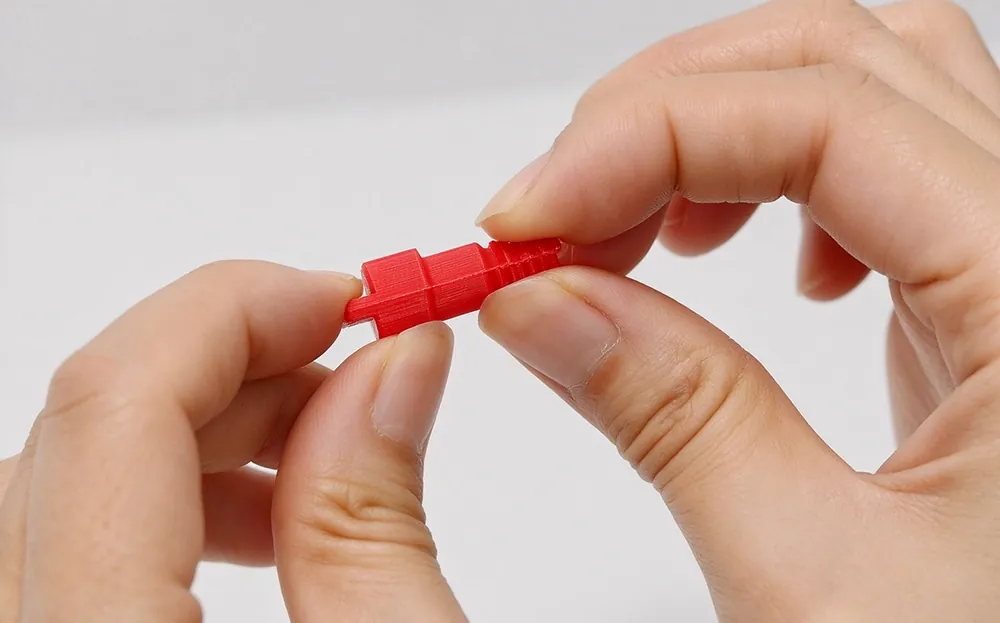
Read guideLearn why layer direction, wall design, temperature, moisture, and material choice control the strength of a 3D printed plastic part.
Read guideCompare filament strength by stiffness, impact, layer adhesion, heat, and part design instead of looking for one universal winner.
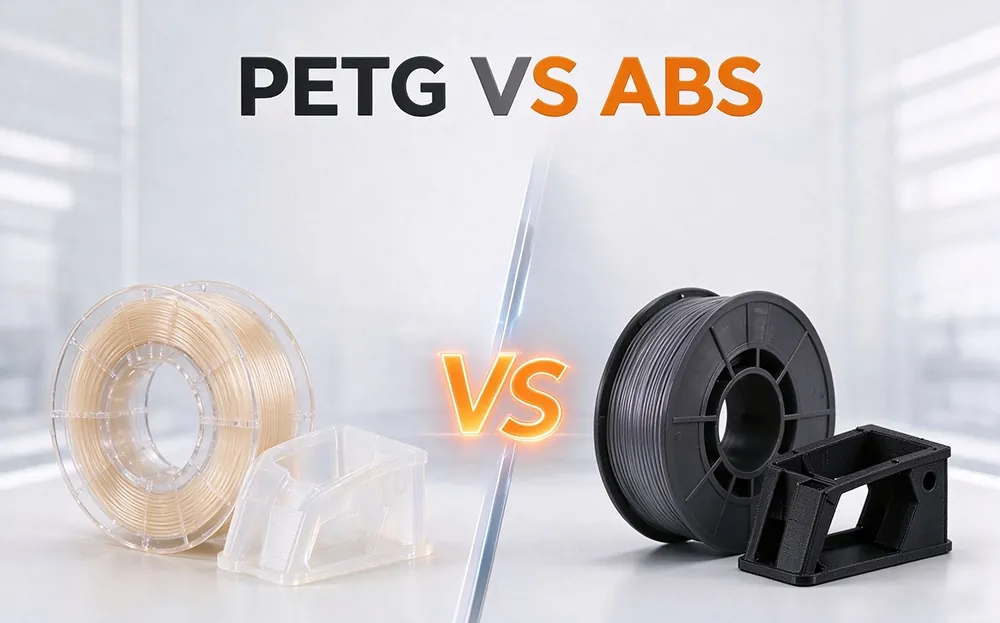
Read guideCompare PETG and ABS for printability, heat, impact, fumes, transparency, cost, and the applications each material serves.
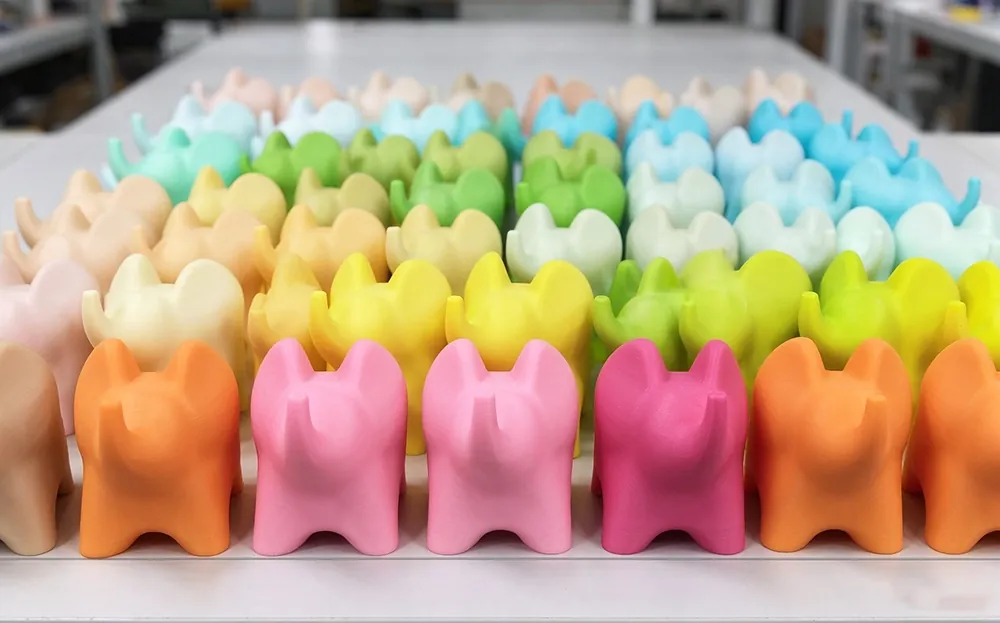
Read guidePlan a custom color filament project around a physical color target, material, sample approval, lighting, production tolerance, and packaging.
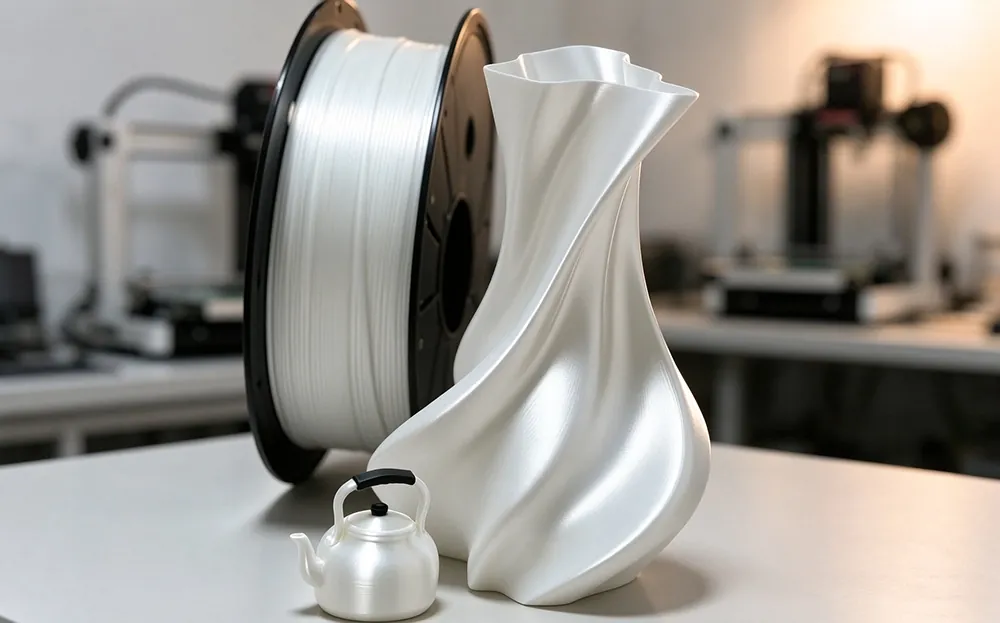
Read guideLearn why silk PLA looks glossy, which models benefit from the finish, and how temperature and speed affect shine and layer bonding.
Read guideLearn why PEEK filament costs more, what printer capability it requires, and which high-temperature applications justify the material.
Read guideLearn how storage, moisture, material type, heat, and packaging affect how long 3D printer filament remains usable.
Read guideSet a practical ABS nozzle and bed range, control warping, and use a repeatable test process without copying another printer's profile.
Read guideFind a practical TPU nozzle and bed range, then tune speed, retraction, flow, and feeding for flexible filament.
Read guideLearn how 3D printer filament can be sorted, shredded, extruded, and reused, plus the limits that affect quality and collection.
Read guideCompare heat-resistant 3D printer filament by continuous service temperature, load, time, printer capability, and real part testing.
Read guideChoose outdoor 3D printer filament by UV exposure, heat, moisture, impact, color, and expected service life instead of UV labels alone.
Read guideLearn what ASA filament is, how it resists UV and weather better than ABS, and which printer setup and part-design details matter.
Read guideLearn what ABS filament is, where its impact and heat resistance help, and which enclosure, adhesion, and ventilation requirements matter.
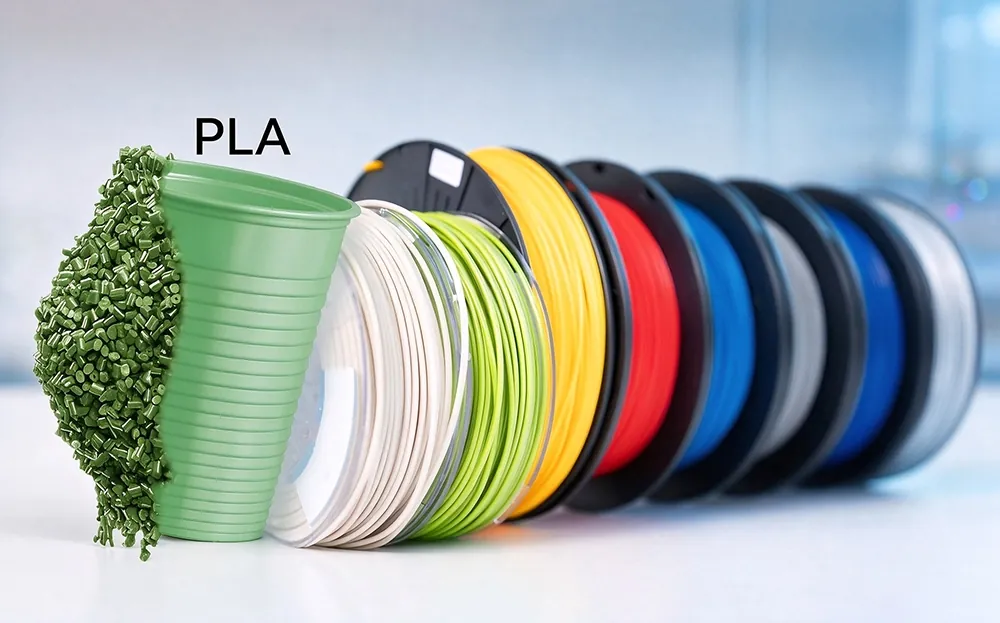
Read guideLearn what PLA filament is made from, where it performs well, its heat and strength limits, and how to choose the right PLA type.
Read guideSee what drives 3D printer filament cost, including material, spool weight, color, quality control, packaging, and wholesale quantity.
Read guideLearn what PETG filament is, how it prints, where it works best, and which toughness, clarity, and heat tradeoffs affect material selection.
Read guideDry PLA, PETG, and TPU with a controlled filament dryer. Learn safe starting ranges, oven risks, signs of moisture, and storage steps.
Read guideLearn how carbon fiber filament affects stiffness, strength, nozzle wear, print settings, and part design; compare PLA-CF, PETG-CF, and nylon-CF.
Read guideUse a practical PLA nozzle and bed temperature range, then tune first layers, cooling, speed, and flow for cleaner, stronger prints.
Read guideA 1kg spool contains 1000g of net filament. Learn how spool weight converts to meters and how to estimate how much a print uses.
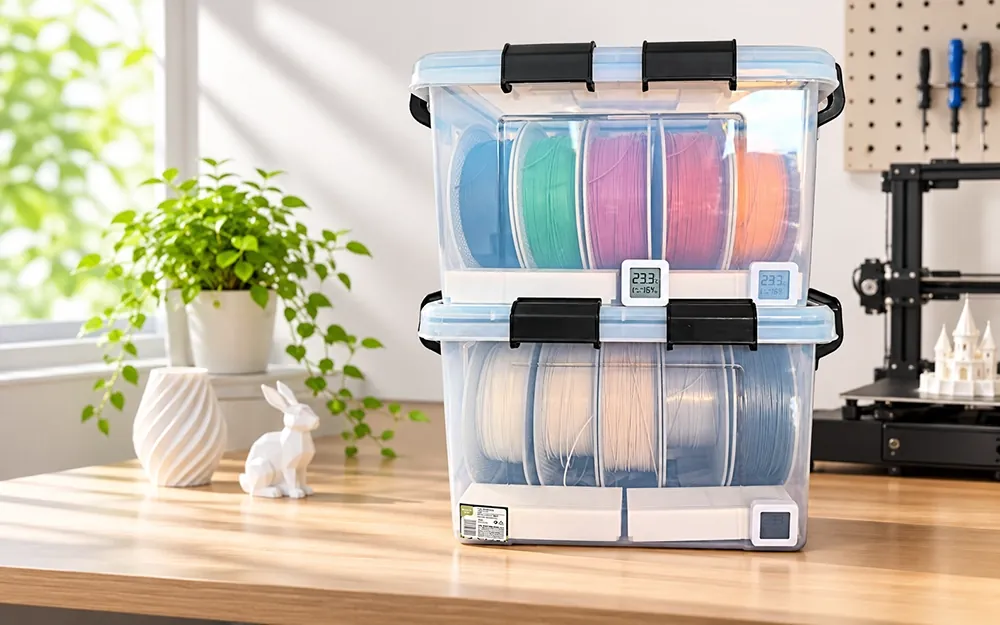
Read guideLearn how to store 3D printer filament with desiccant, low humidity, sealed containers, and sensible handling to prevent wet-print defects.
Read guideLearn what TPU filament is, how Shore hardness affects flexibility, which parts it suits, and how to print flexible filament reliably.
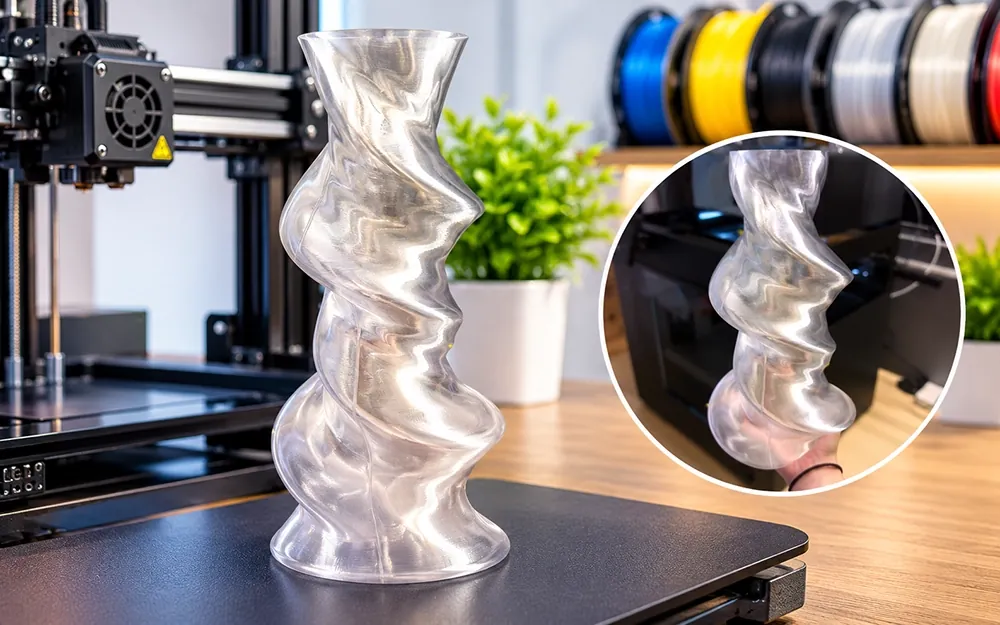
Read guideYes, you can 3D print clear plastic, but FDM parts are usually translucent. Learn materials, settings, geometry, and finishing methods that improve clarity.
Read guideChoose 3D printer filament by application, printer limits, heat, strength, finish, and spool consistency instead of a generic brand ranking.
Read guideFind a practical PETG nozzle and bed temperature range, plus settings for cooling, speed, first layers, and stringing.
Read guideCompare ASA and ABS for UV and weather exposure, heat, impact, fumes, printability, and indoor versus outdoor parts.
Read guideA food-safe filament does not guarantee a food-safe printed part. Learn what to verify about the material, finished part, cleaning, and documentation.
Read guideCompare PLA, PETG, ABS, ASA, TPU, nylon, and specialty filaments by strength, heat, flexibility, finish, and printer requirements.
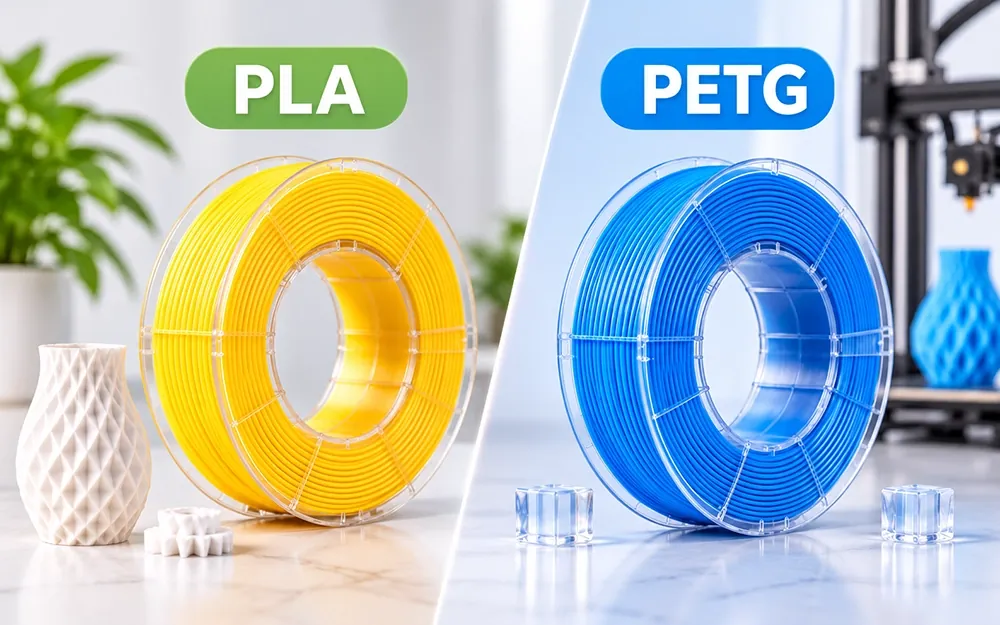
Read guideCompare PLA and PETG for strength, heat resistance, printability, finish, and cost. Use a clear selection rule for models, parts, and clear jobs.
Read guideLearn what 3D printer filament is, how FDM printing uses it, and which material properties matter when choosing filament for a real part.
Read guideNo articles match this search. Try a material such as PLA, PETG or TPU.