
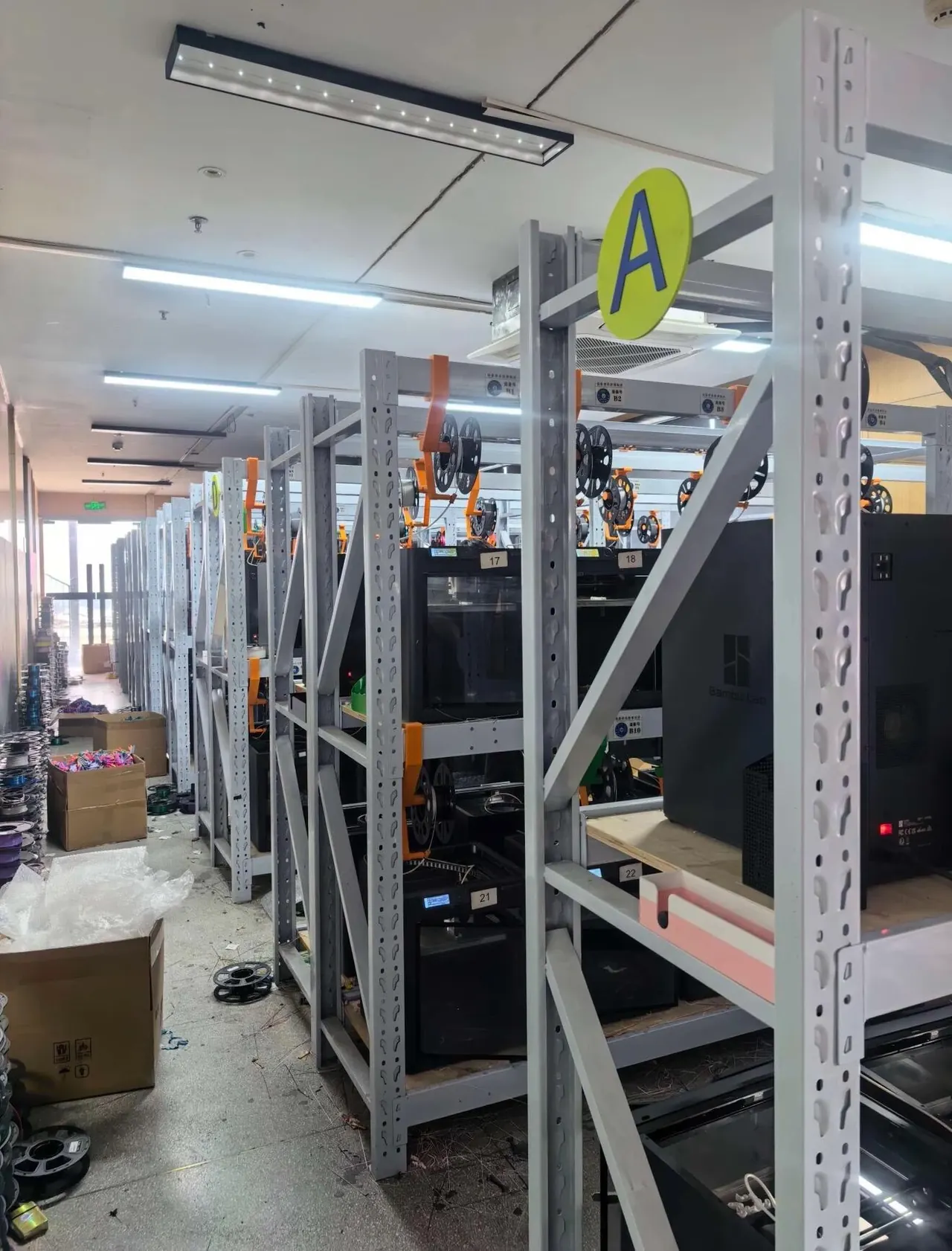
Keep fast-moving SKUs ready.
Use repeatable material and colour references for models, fixtures, prototypes and routine customer parts.
Keep the approved SKU, color and print profile easy to repeat across the fleet.
Confirm spool weight, diameter, hub and multi-feed compatibility before a bulk order.
Separate fast-moving production materials from occasional colors and effect SKUs.
Approve the material and finish on a part that represents the actual production job.
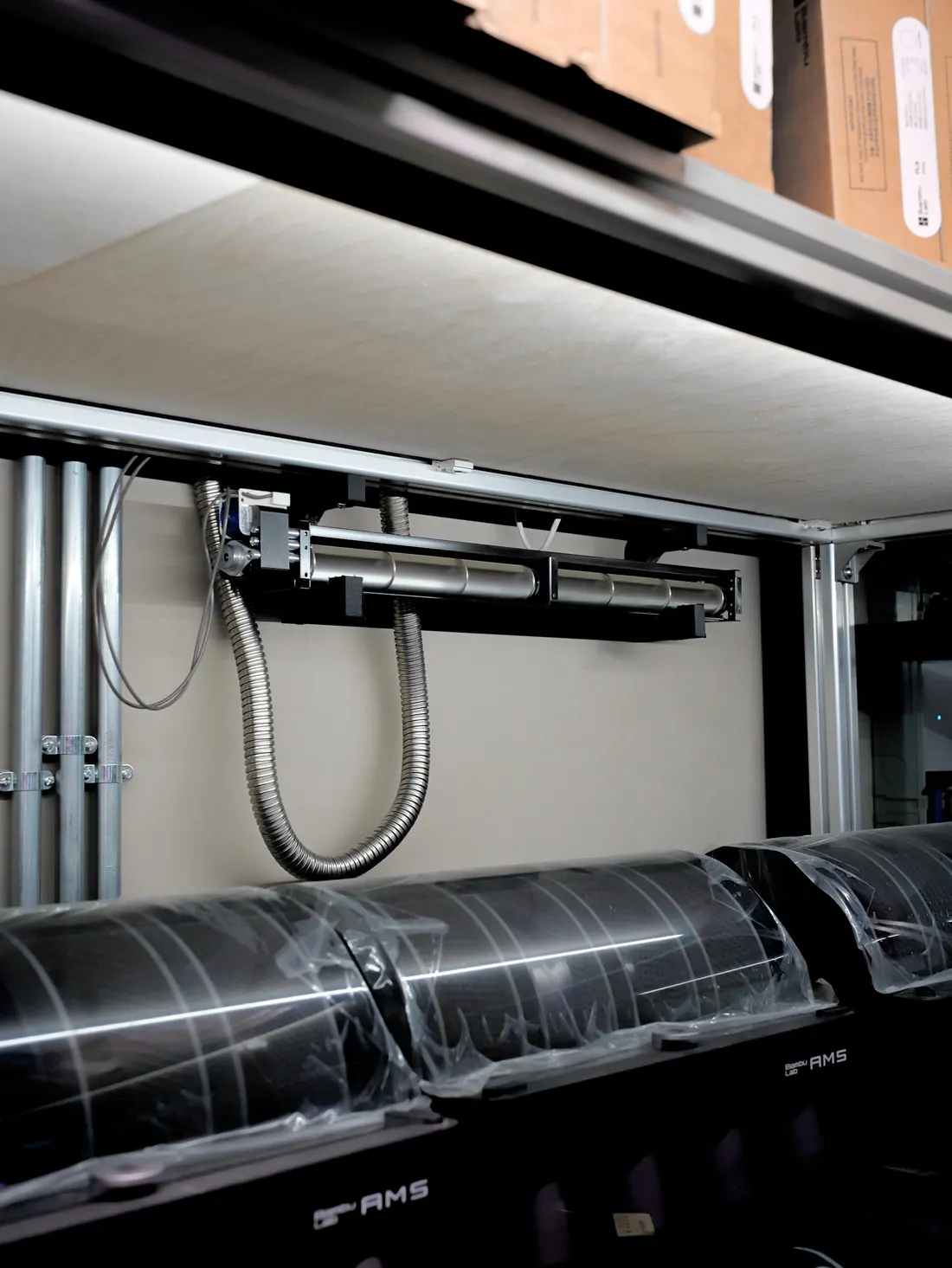
A print farm balances printer availability, material changeovers, colour requirements and customer lead times. The filament specification should make those decisions simpler, not add another variable to the schedule.
Daily-use materials should be easy to reorder. Colour programs and performance grades can then be planned around confirmed customer work.
Use repeatable material and colour references for models, fixtures, prototypes and routine customer parts.
Review spool format, remaining-material planning and compatible feeding hardware before specifying the pack.
Share printer count, average job size and monthly usage so the supply plan reflects actual production demand.
Add silk, matte or rainbow programs where visual products require them, while keeping everyday materials separate.
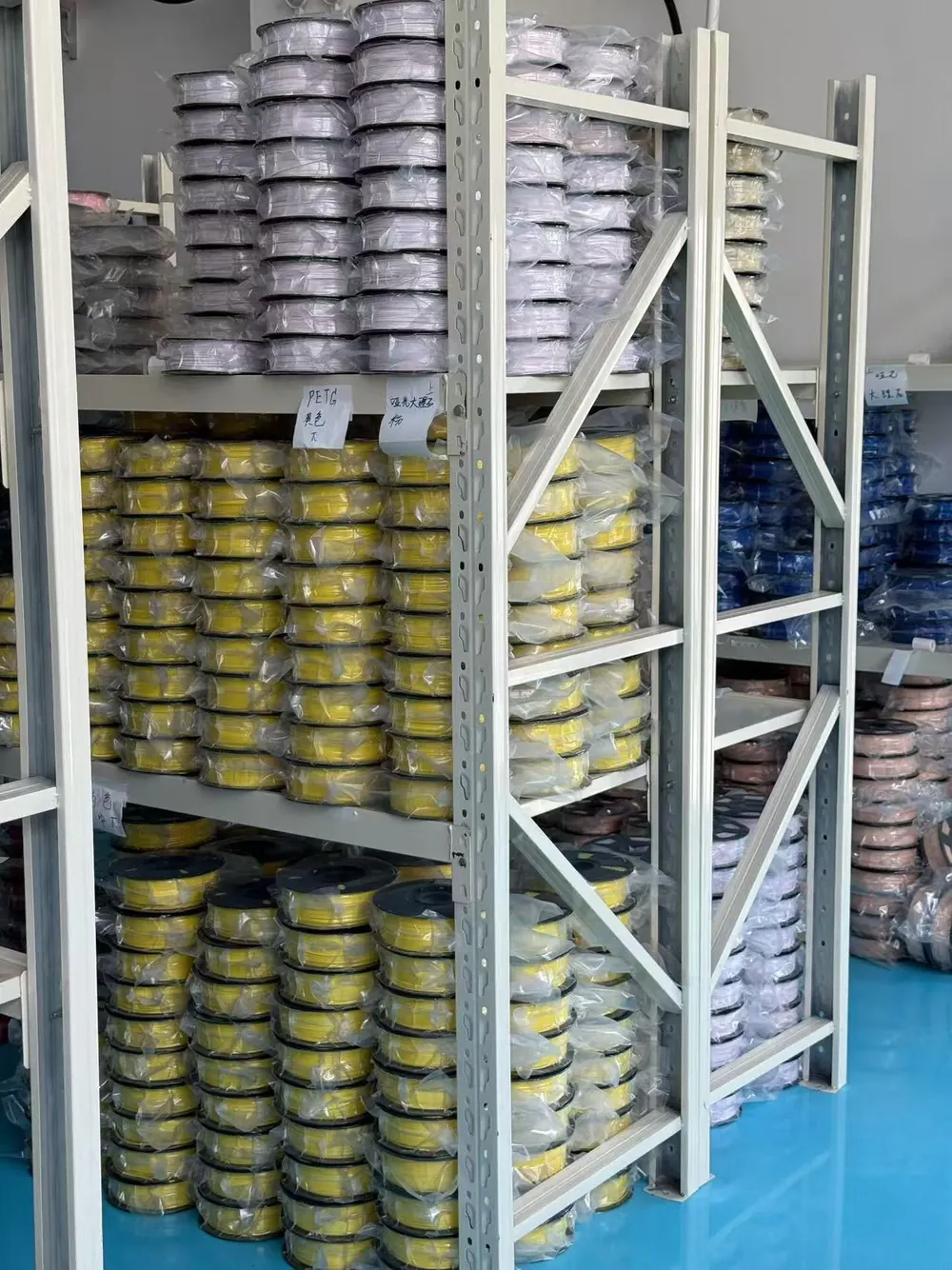
Most farm ranges can begin with a compact group of core materials. Confirm the final SKU against the parts you print and the printers used for each job.
For fast printers, repeat models and production work where throughput matters.
For parts needing a practical balance of toughness, surface and functional use.
For everyday models, visual products and colour-led jobs with repeat colour demand.
For application-led ABS, ASA, carbon-fiber or project-based PA requirements.
Reel fit, material storage, changeover time and repeatability all affect how smoothly a printer group runs.
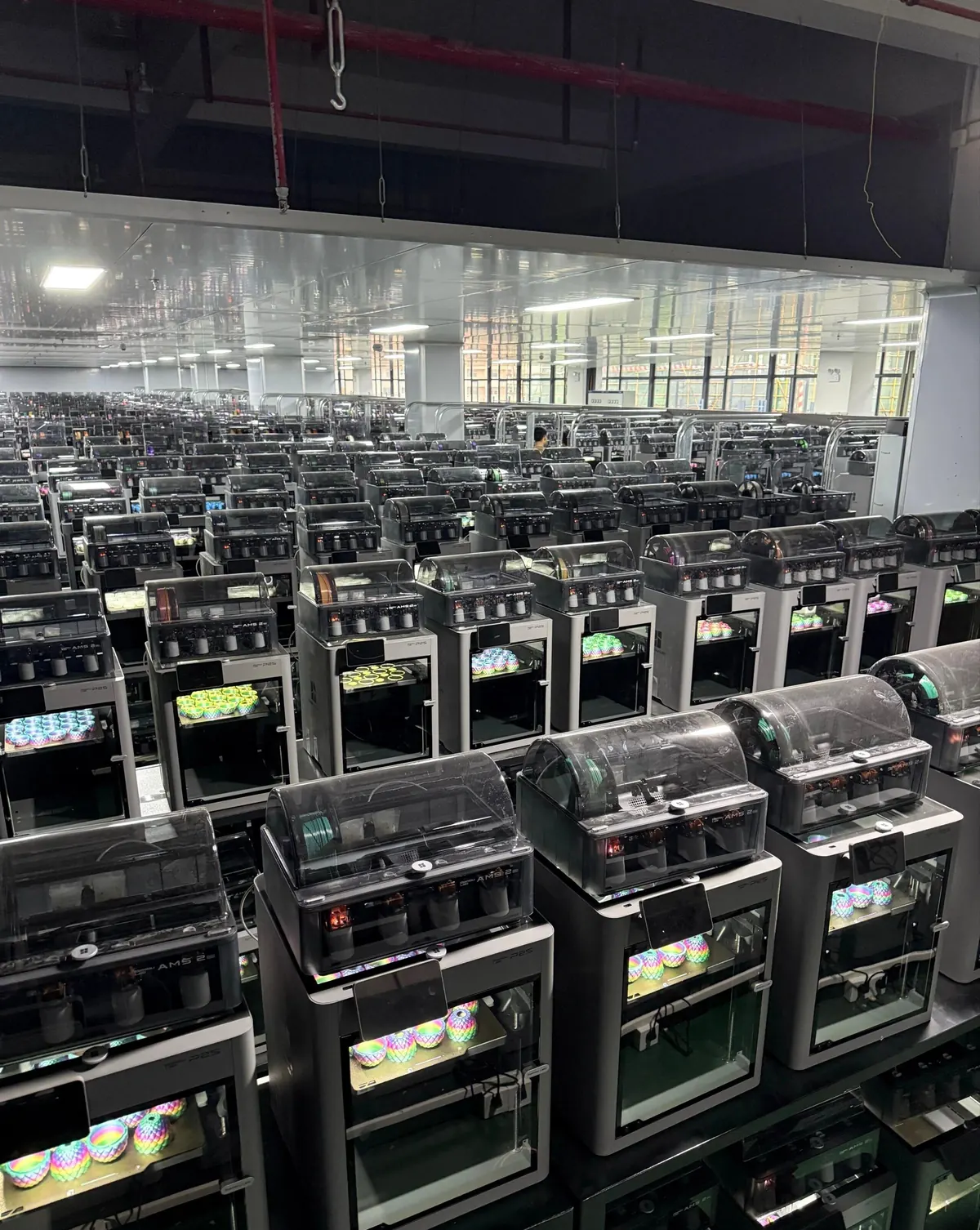
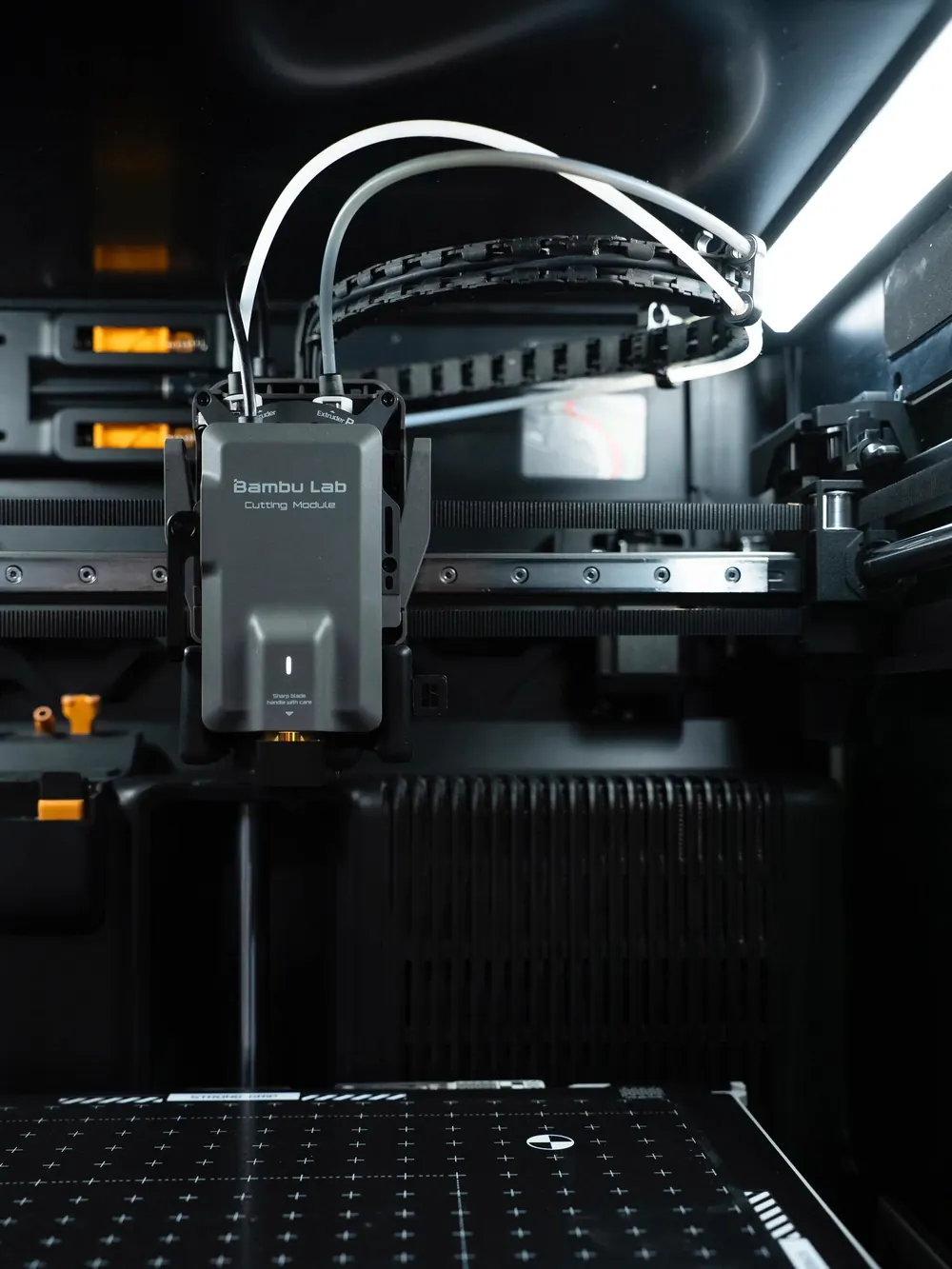
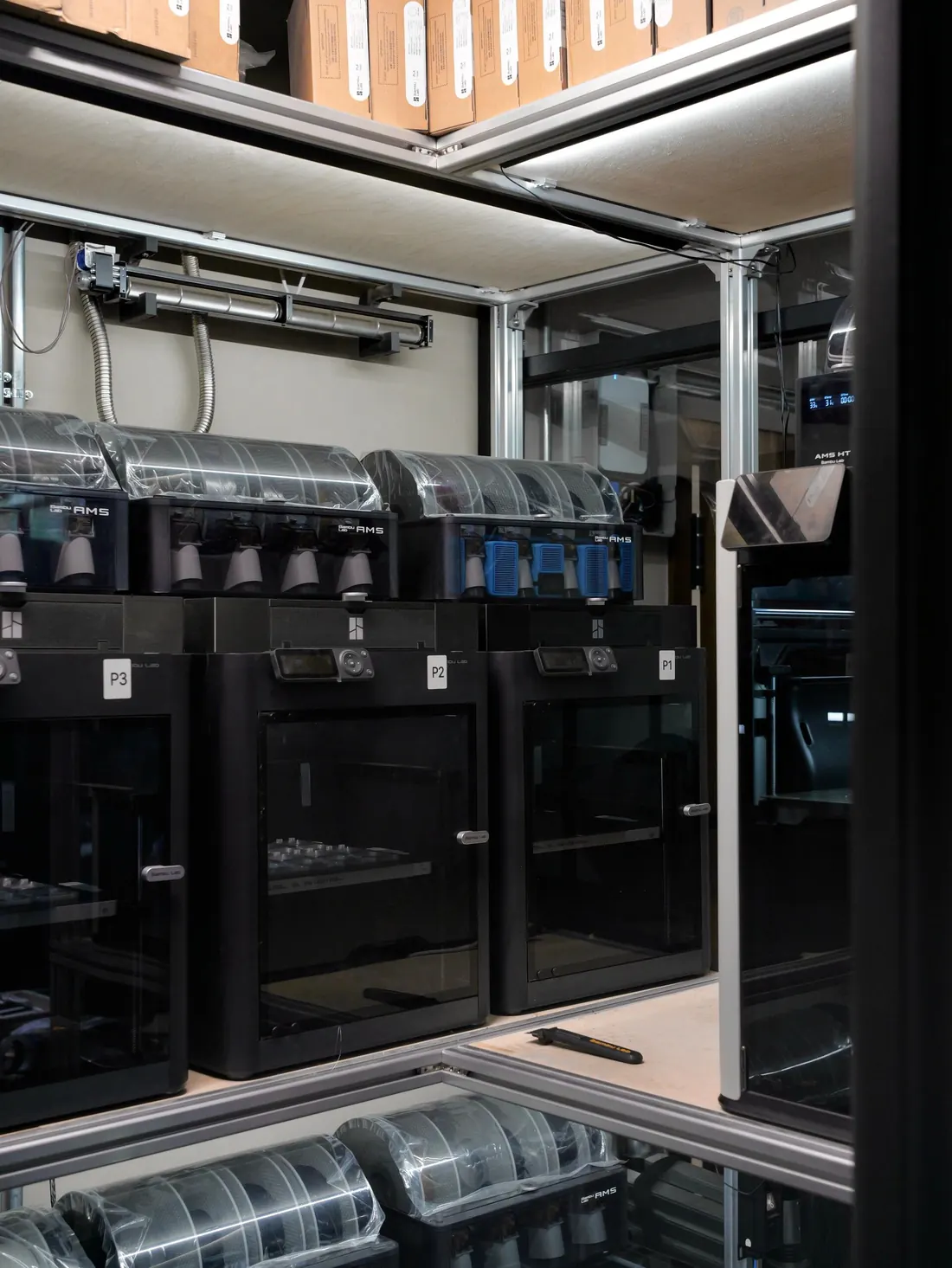
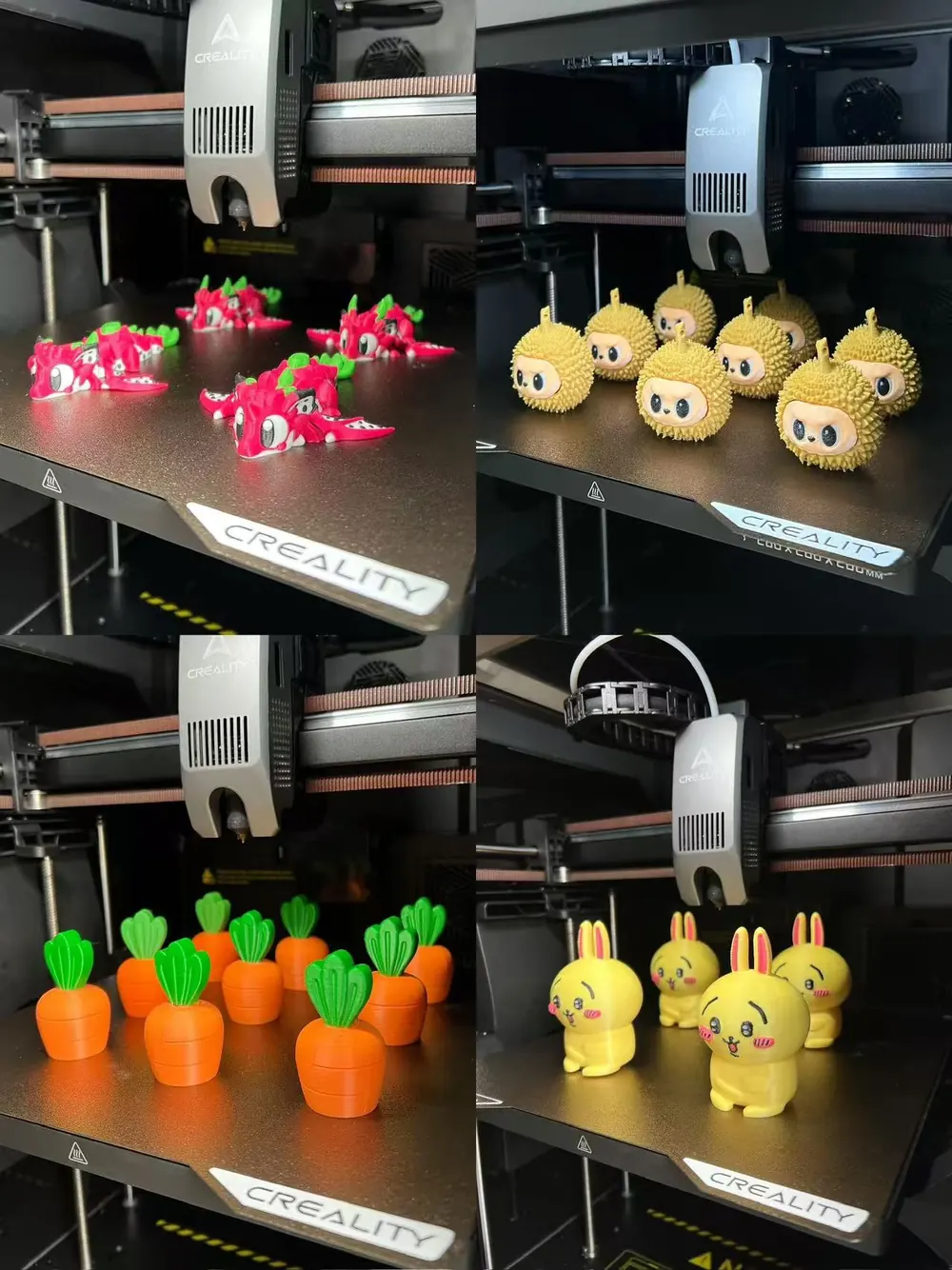
A useful quotation starts with the printer set, material demand and the specification you want to repeat.
Record printer groups, material feeders, spool dimensions and any holder or hub restrictions.
List each SKU, colour, typical monthly quantity and the order pattern you need to support.
Print a representative part with the proposed material and profile, then keep the accepted result as the reference.
Tie future orders to the approved SKU, reel, label and packing details so replacement stock is easier to order.
If your printer mix or monthly material plan is not listed here, include it in the inquiry and we can review it against the available range.
High-speed PLA, PLA and PETG are common starting points. The final choice depends on the printed part, printer capability, required heat or impact performance and the production profile.
Yes. A program can combine routine materials with selected colours or effect materials. Provide the SKU and expected quantity for each item so stock, packing and lead time can be confirmed together.
Available spool weight and reel options depend on the material and order quantity. Share the printer or feeding system requirements so the compatible format can be confirmed before quotation.
Keep the approved material, colour reference, printed part, reel and packing specification together. That record gives the next order a clear reference for production and incoming inspection.
Include the printer groups, materials and colours, typical monthly usage, part applications, spool restrictions, delivery destination and the date the next stock is required.
A clear equipment and usage summary helps us recommend a practical starting range and identify what needs confirmation before a bulk order.