
 01
Flexible materials · Product code PL-TPU0001
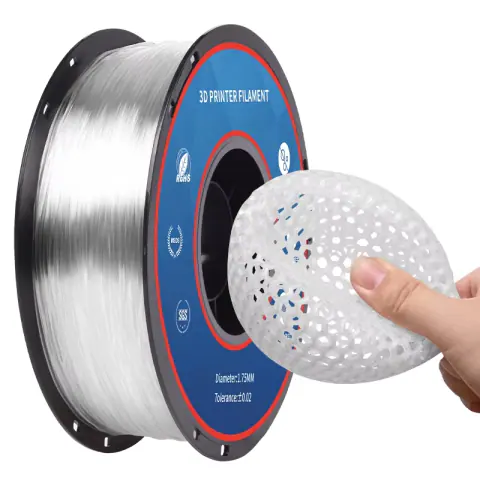
TPU Filament 95A for Flexible Parts, OEM and Wholesale Supply
PIBUNO supplies flexible 95A TPU in a 1.75 mm diameter on 1 kg net spools. The material is designed for soft-touch parts, elastic structures and impact-absorbing components, with multiple color and net-weight options for product development.
- TPU 95A
- 1.75 ±0.02 mm
- 1 kg net / spool
- 20–40 mm/s
200 g, 500 g and 1 kg net weights
Flexible-material printer required
Color and packaging review available
 95A flexible TPU
01
95A Shore hardness
Soft and elastic handling
02
±0.02 mm diameter
Nominal 1.75 mm production
03
20–40 mm/s
Low-speed flexible printing
04
200 / 500 / 1,000 g
Current page focus: 1 kg net
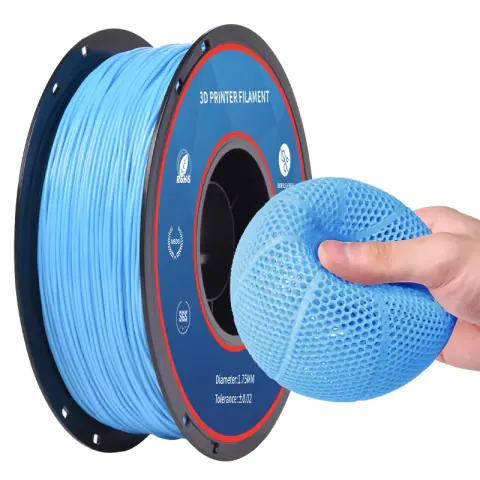
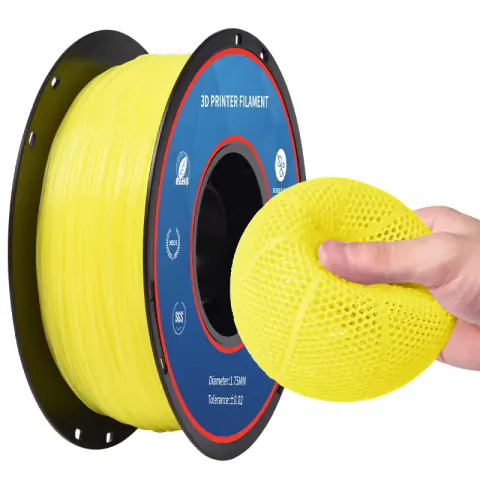
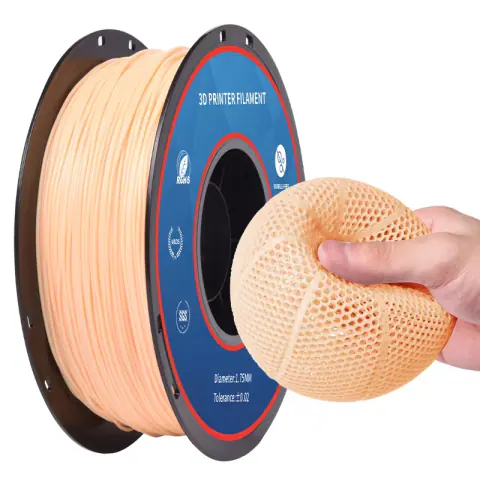
Color range
Flexible TPU color options for product programs.
The supplied TPU product materials show 12 solid, transparent and skin-tone options. Confirm current color availability when requesting a sample or production quote.
01
02
Blue
 03
Transparent Yellow
 04
Skin
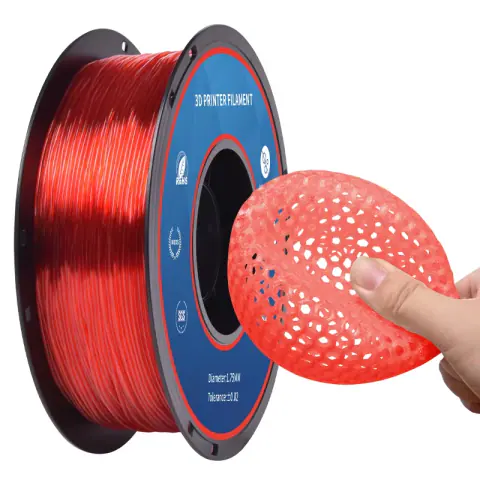 05
Transparent Red
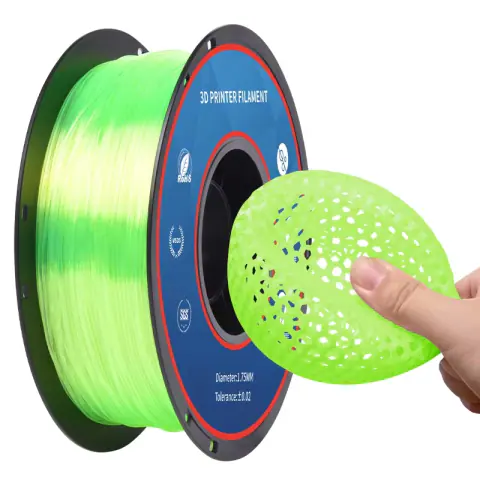 06
Transparent Green
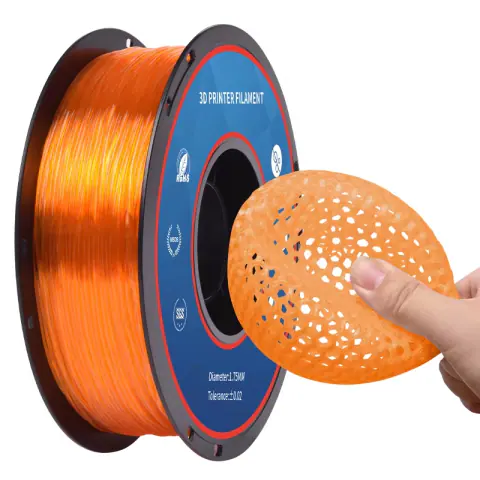 07
Transparent Orange
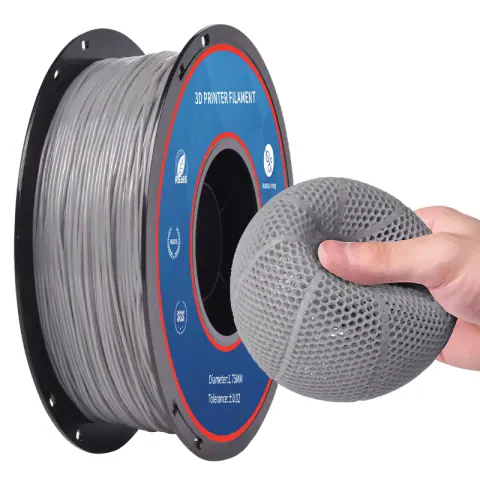 08
Grey
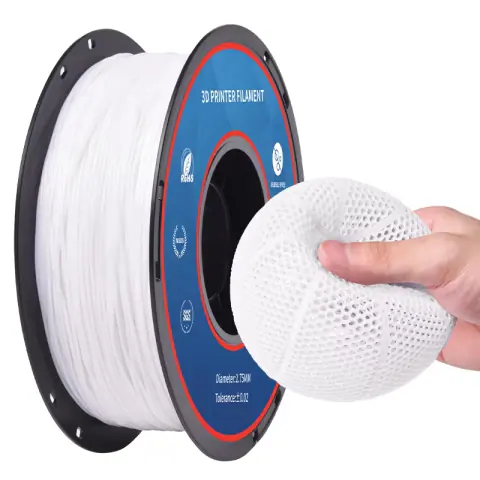 09
Snow White
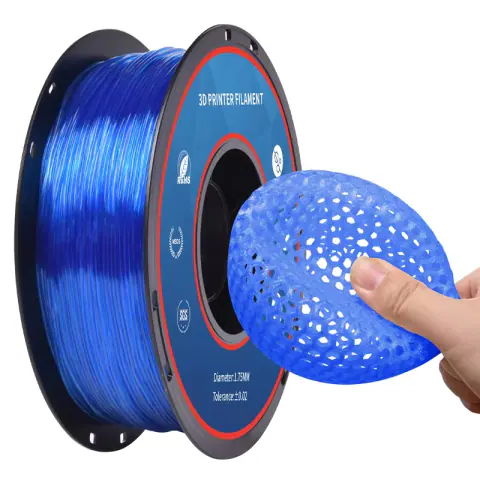 10
Sapphire Blue
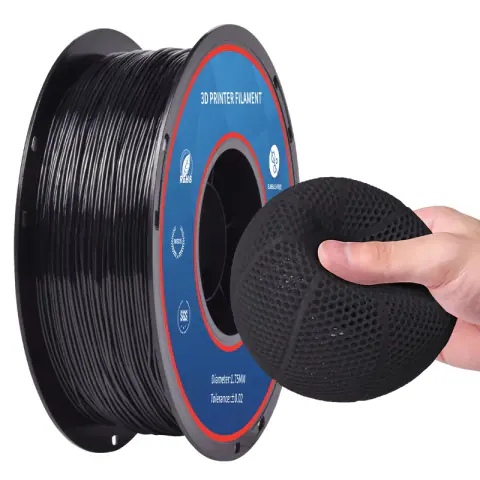 11
Black
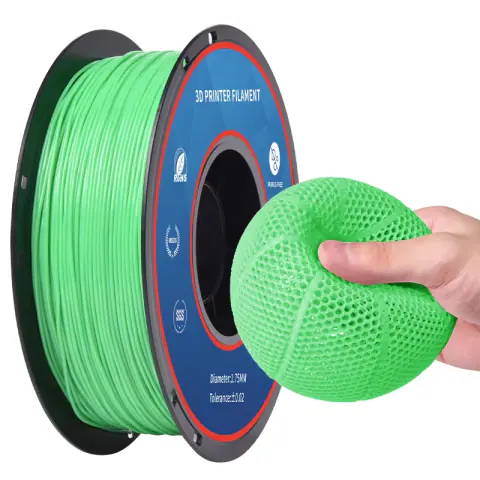 12
Green
Color appearance can vary with monitor settings, photography, lighting, material transparency and production batch. Custom color requirements should be reviewed against a design reference or physical sample.
Technical data
TPU 95A specifications for printer and purchasing review.
Confirm flexible-material compatibility, print geometry and the exact net-weight format before placing an order.
| Material | TPU |
|---|---|
| Hardness | 95A |
| Diameter | 1.75 ±0.02 mm |
| Available net weights | 200 g / 500 g / 1 kg |
| Current page format | 1 kg / spool |
| Printing temperature | 215–235°C |
| Heat-bed temperature | 0°C or 60–80°C |
| Printing speed | 20–40 mm/s |
| Spool outside diameter | 200 mm |
|---|---|
| Spool total width | Approx. 67 mm |
| Winding-section width | Approx. 60 mm |
| Center-hole diameter | 53 mm |
| 1 kg roll gross weight | Approx. 1.2–1.3 kg |
| 1 kg net material weight | 1 kg, excluding spool |
| Length consistency | Minor length variation may occur |
Printer compatibility should be confirmed first.
TPU places different demands on the extruder and filament path than rigid PLA. Confirm that the printer, hotend and feed system are recommended by their manufacturer for flexible 1.75 mm material before purchasing.
Why choose TPU 95A
Elastic performance for soft-touch and protective parts.
- 95A hardness provides a soft, elastic feel with useful recovery.
- Suitable for flexible parts that bend, compress or absorb light impact.
- Supports soft-touch surfaces, grips and form-fitting product designs.
- Available in solid, transparent and skin-tone color directions.
- 1.75 ±0.02 mm diameter supports consistent extrusion on compatible equipment.
- Supplied on a 200 mm spool for flexible-material printer setups.
TPU is not a substitute for rigid structural material in every application. Review hardness, part geometry, load and the printer profile together before approving a final design.
Applications
Where TPU 95A performs best.
TPU 95A is suited to parts that need controlled flexibility, soft contact surfaces, compression or elastic recovery. It works best when the design and print path are developed around flexible material behavior rather than copied directly from a rigid-part profile.
Do not size TPU parts like rigid parts
Flexible walls can deflect under load, and tall unsupported sections may sway during printing. Prototype the actual wall thickness, infill strategy and part height before moving to repeat production.
Printing guidance
A conservative starting profile for TPU 95A.
Use these values as a starting point and validate them on the actual printer, extruder and filament path.
Confirm the printer supports flexible filament and use a short, well-constrained feed path.
Adjust within the range for flow, surface quality and the installed hotend.
Select according to the printer, build surface and first-layer adhesion guidance.
Keep speed low and tune one variable at a time to avoid buckling and unstable extrusion.
Control model height
Tall models may sway near the top. Use a stable base, lower height or additional support where the geometry requires it.
Watch the filament path
A flexible filament can compress or buckle between the feeder and hotend. Avoid tight bends and confirm the extruder setup.
Expect minor length variation
Overall filament length per roll may vary slightly. Use net weight as the purchasing reference rather than an exact length.
Weight and spool
Understand net material weight and shipping gross weight.
The 1 kg figure refers to the TPU material only, not the complete spool or packaged product.
Material weight only, excluding the spool.
Gross roll weight can vary with the spool construction and winding condition.
The 1 kg format is the primary specification presented on this page.
Approximately 60 mm winding width and a 53 mm center hole.
Packaging data
Carton and single-box specifications.
Packaging measurements apply to the standard 1 kg roll format. Confirm whether the 200 g or 500 g format uses a different box configuration before order approval.
Review OEM and private label
Individual box size
20.5 × 20.5 × 7.6 cm
Individual box gross weight
1.3 kg
Rolls per carton
10 rolls
Outer carton size
43.3 × 41.5 × 23.5 cm
Carton gross weight
14 kg
Documentation
Quality documents for purchasing review.
The supplied product materials reference SGS, RoHS and MSDS documentation. Request the current originals and confirm that they match the exact TPU grade and order batch.
Request TPU documentsTest report
Confirm test items, tested material, report number and batch coverage.
Safety data
Review the current safety sheet against storage and handling requirements.
Compliance mark
Verify the applicable material and batch before relying on the document for procurement.
General certification marks do not establish that every TPU color or batch has been tested. Supply documentation should match the exact material ordered and remain subject to the issuing laboratory and supplier’s valid report terms.
Related filament
View all products
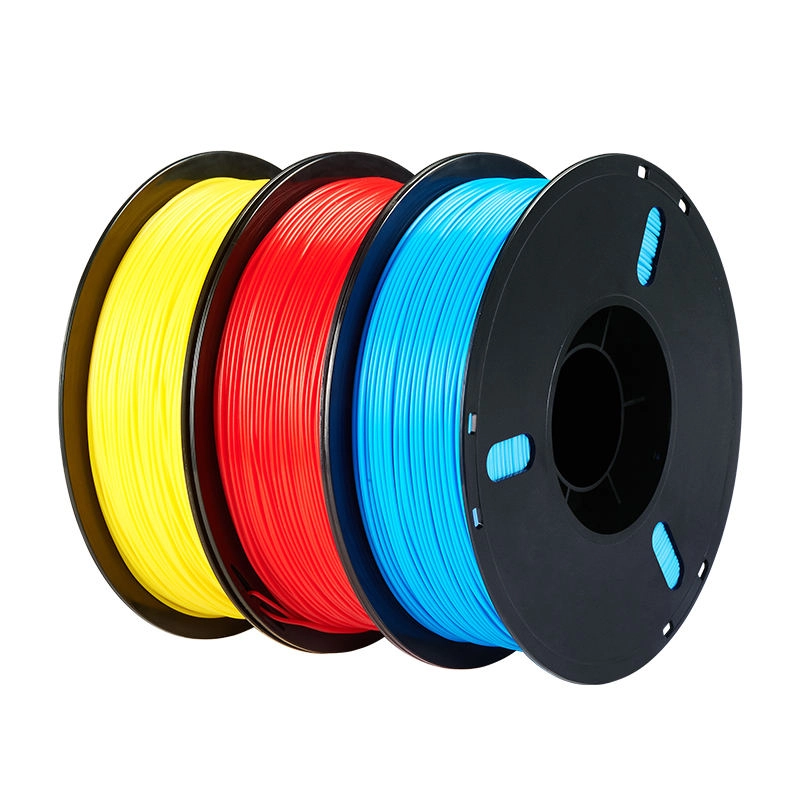
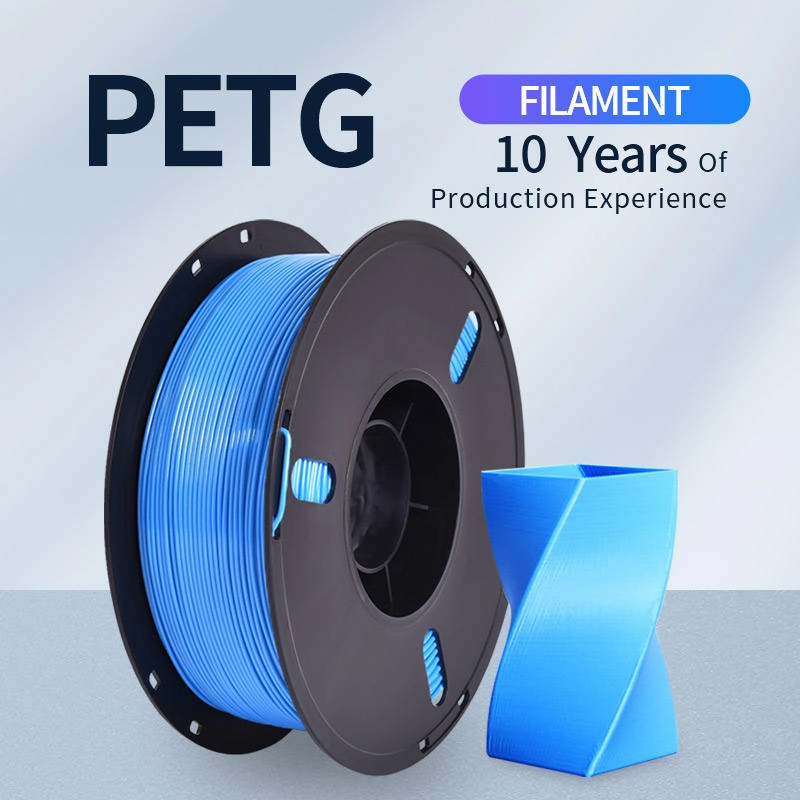
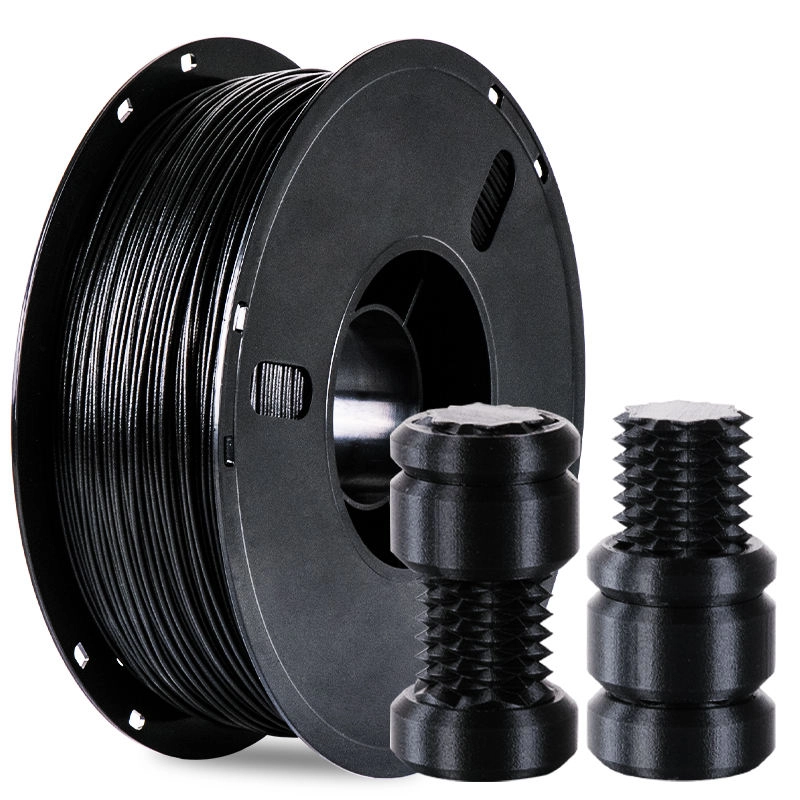
Compare rigid and functional alternatives.
Buyer questions
TPU filament FAQ
Confirm printer compatibility, net weight and color availability before placing an order.
Can my 3D printer print TPU 95A?
The printer and extrusion path must be suitable for flexible 1.75 mm filament. Confirm the hardware with the printer manufacturer and test the intended profile before production.
What is the standard TPU specification?
The product is TPU with 95A hardness, 1.75 ±0.02 mm diameter, 215–235°C nozzle temperature, 20–40 mm/s printing speed and a 200 mm spool outside diameter.
Does 1 kg include the spool?
No. The 1 kg value is the net material weight. The complete 1 kg roll is approximately 1.2–1.3 kg before packaging.
Are 200 g and 500 g rolls available?
Yes, 200 g, 500 g and 1 kg are listed as available net-weight formats. The current page highlights the 1 kg specification; confirm stock and packaging for smaller formats.
Why are tall TPU models more difficult to print?
The flexible material and part geometry can allow the upper section to sway. Lower-height or more stable geometry is less demanding, especially before a validated production profile is established.
Start with the application
Need a TPU color, hardness or packaging program?
Send the printer setup, part requirement, preferred net weight, target color and expected quantity.